
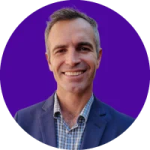
Bienvenido al episodio 3 delCurious Cuenca Podcastde YapaTree. La invitada de hoy es la maravillosa Doctora Maité Depreeuw, médica de cabecera originaria de Bélgica que ahora llama hogar a Cuenca. Conocida por su enfoque holístico de la medicina, la Dra. Maité se ha convertido en una proveedora de salud de confianza para muchos expats en Cuenca. En este episodio, exploramos su trayectoria, su práctica médica y las complejidades del sistema de salud en Cuenca.
Por favor, considerá hacer una donación a nuestroprograma de caridad en Cuenca aquí. No nos quedamos ni un centavo.
El viaje de Maité a Cuenca
El viaje de la Dra. Maité a Cuenca comenzó con una pasantía en 2012, que ella describe como una experiencia clave que no solo enriqueció sus habilidades profesionales, sino que también la hizo enamorarse de la ciudad.
"Vine aquí en 2012 por primera vez en una pasantía, nosotros le llamamos pasantías en el extranjero, donde podemos ir por tres meses a otro país. Y el destino me trajo a Ecuador, a Cuenca, y trabajé aquí en el hospital público durante tres meses. Pero luego, claro, me enamoré y esa es la razón principal por la que estoy aquí."
Su pasión por Cuenca y su compromiso con su profesión la llevaron a superar los desafíos de ejercer la medicina en un nuevo país. Después de completar el año obligatorio de servicio rural en Guachapala, un pueblo cercano a Paute, estableció su consultorio en Cuenca en 2018.
Navegando el Sistema de Salud en Ecuador
El sistema de salud en Ecuador presenta desafíos y oportunidades únicos, especialmente para los expats que están acostumbrados a otros sistemas. Ecuador tiene un sistema de salud dual con sectores público y privado, cada uno con sus propias complejidades.
"Ecuador, como sabemos, tiene dos sistemas diferentes. Tenemos el público y el privado, y son dos sistemas completamente distintos. La salud pública tiene muchas dificultades, pero puede ofrecer servicios de salud a personas que normalmente no podrían costear lo privado."
Comprender la disponibilidad de medicamentos y navegar entre las diferentes marcas y nombres ha sido un aprendizaje significativo para la Dra. Maité. Este conocimiento ha sido invaluable para brindar una atención efectiva a sus pacientes.
Enfoque Holístico de la Medicina
Una de las características más destacadas de la práctica de la Dra. Maité es su enfoque holístico de la medicina. Este enfoque implica mirar más allá de los síntomas para entender a la persona en su totalidad, incluyendo su entorno, factores de estrés y contexto cultural.
"Para mí, lo holístico es que veo a la persona, no veo el síntoma o la enfermedad. Un paciente entra y es el paciente con quien estoy hablando ahora, no solo el dolor de cabeza. ¿Cómo afecta ese dolor de cabeza a su vida? Se trata del paciente."
Este enfoque centrado en el paciente le permite construir conexiones más profundas y brindar una atención más personalizada. Es un enfoque que a menudo requiere más tiempo y esfuerzo, pero conduce a una atención más integral y compasiva.
Un Día en la Vida de la Dra. Maité
Un día típico para la Dra. Maité es impredecible, lleno de diversas necesidades de los pacientes y desafíos inesperados. Agenda citas cada media hora, pero la naturaleza holística de su práctica a menudo significa que pasa más tiempo con cada paciente.
"Lo chévere o lo estresante de mi trabajo es que nunca sé lo que me va a tocar en el día. Antes hacía las citas de 45 minutos, pero a veces me sobraba demasiado tiempo entre una y otra, entonces empecé a hacerlas de media hora, pero eso tampoco está funcionando bien."
Esta flexibilidad le permite abordar problemas complejos a fondo, aunque signifique atrasarse en el horario. Su compromiso de tomarse el tiempo necesario con cada paciente es un sello distintivo de su práctica.
Construyendo una Red de Confianza
La Dra. Maité enfatiza la importancia de construir una red confiable de especialistas y proveedores de salud en Cuenca. La confianza y la comunicación son componentes clave para garantizar una atención integral a sus pacientes.
"He aprendido con quién puedo trabajar y en quién puedo confiar, y ellos también han aprendido a trabajar conmigo. Me contactan y me hacen saber que sí, tenías razón, hay que hacer esto o aquello."
Esta red es fundamental para navegar el sistema de salud de manera efectiva y garantizar que los pacientes reciban la mejor atención posible.
La Experiencia del Expat
Una parte significativa de los pacientes de la Dra. Maité son expats, quienes a menudo tienen expectativas y necesidades de salud diferentes a las de los locales. Esta dinámica añade otra capa de complejidad a su práctica.
"Yo diría que entre el 90 y el 95% son expats. El problema aquí en Ecuador, porque incluso en Quito he hablado con colegas, la medicina familiar o tener un médico de cabecera no es algo común."
Ella destaca las diferencias culturales en la forma en que se aborda la salud y la importancia de tener un médico de cabecera de confianza que pueda coordinar la atención y brindar una visión integral de la salud del paciente.
Desafíos y Recompensas
Ejercer la medicina holística en Cuenca tiene sus desafíos, pero también trae grandes satisfacciones. La capacidad de hacer una diferencia significativa en la vida de sus pacientes y las conexiones profundas que forma con ellos son lo que impulsa a la Dra. Maité.
"Aquí también hay una cultura sobre lo que es ser un buen o mal médico. A veces ni siquiera receto nada y solo doy señales de alarma o digo que tome esa vitamina o que se tome un té de jengibre. No se necesita medicina para todo."
Su enfoque es un cambio refrescante para muchos pacientes, especialmente para quienes valoran un modelo de atención más integrado y centrado en la persona.
El Rol del Médico de Cabecera: Atención Centralizada vs. Sistemas Fragmentados
Una de las diferencias más notables que señaló Maité fue el rol del Médico de Cabecera en Bélgica versus Ecuador. En Bélgica, el médico de cabecera es el pilar del sistema de salud, trabaja en equipo con especialistas y tiene acceso a historiales clínicos centralizados. Esto significa que tu médico de cabecera puede ver todo tu historial médico, incluso si visitás un hospital u otro especialista.
"En Bélgica, todo está en un portal donde te registrás con tu médico de cabecera, y el médico puede ver todo lo que te ha pasado. Aquí no hay ningún sistema. Ni siquiera dentro de un hospital hay un sistema."
En Ecuador, la falta de un sistema centralizado significa que los pacientes a menudo necesitan ser proactivos, llevando sus historiales médicos de un doctor a otro. Esto puede ser un poco complicado, especialmente para quienes estamos acostumbrados a sistemas más integrados.
Costo de la Atención: Accesible pero Variable
Una de las grandes ventajas de la salud en Ecuador para muchos expats es el costo. En general, los costos de atención médica son significativamente más bajos comparados con países como Estados Unidos. Sin embargo, la estructura de pagos y seguros puede ser bastante diferente.
En Bélgica, la salud es un derecho para todos, financiado a través de un sistema de seguridad social. Los pacientes generalmente solo pagan una pequeña copago por los servicios, y el resto lo cubre su seguro.
"Una consulta con el médico de cabecera en Bélgica era de unos $30, pero el paciente solo tenía que pagar $4. El resto lo cubría la seguridad social."
En Ecuador hay una combinación de salud pública y privada. La salud pública es gratuita, y existe el sistema del IESS, que es una forma de seguridad social en la que la gente aporta. La salud privada, por otro lado, no es gratuita pero sigue siendo relativamente accesible.
"Mi tarifa estándar es de $40, que es accesible. En centros públicos puede ser tan bajo como $7."
Medicamentos Recetados: Un Asunto Complejo
Los medicamentos recetados son otra área donde Ecuador ofrece ahorros significativos, aunque tiene sus propios desafíos. Si bien los costos generales son más bajos, la distinción entre medicamentos genéricos y de marca es menos clara, y la calidad puede variar.
"En Bélgica solo recetamos genéricos. Aquí empecé a notar problemas con medicamentos para la presión arterial que fluctuaban cuando los pacientes cambiaban de marca. A veces es más barato, pero no siempre es mejor."
Por ejemplo, mientras que los medicamentos de uso habitual como los de diabetes o presión arterial alta son accesibles, algunos tratamientos especializados pueden ser costosos.
"Para condiciones como la artritis reumatoide, el costo puede llegar hasta $5000 al mes aquí."
Seguros: Navegando el Laberinto
Los seguros médicos en Ecuador pueden ser un poco complicados de manejar. La mayoría de los expats optan por un seguro privado, especialmente porque ahora suele ser un requisito para las solicitudes de visa. Sin embargo, no todos los seguros cubren la atención preventiva, y el proceso de aprobación de reclamaciones puede ser engorroso.
"Una paciente recién diagnosticada con hipotiroidismo tuvo su reclamo rechazado porque no podía demostrar que no había sido diagnosticada antes. Es absurdo, pero querían dos años de historiales médicos que mostraran que no tenía ese diagnóstico."
Esto resalta la importancia de mantener registros médicos personales detallados y entender las complejidades de tu póliza de seguro.
Un Toque de Humanidad: El Lado Personalde la Atención
A pesar de estos desafíos, hay un lado muy bonito de la salud en Ecuador. El sentido de comunidad y gratitud puede ser muy profundo.
"A veces la gente trae frutas o verduras de su huerta como agradecimiento. Es muy emocionante. Me han pagado con frutas aquí en Ecuador, y me encanta."
Este sentido de conexión personal y gratitud es algo que puede ser muy gratificante tanto para los proveedores de salud como para los pacientes.
El Proceso de Pago: Una Realidad que Sorprende
Mi sorpresa inicial ante el proceso de pago en los hospitales ecuatorianos fue bastante grande. Después de una cirugía, literalmente no te dejan salir hasta que hayas cancelado tu cuenta. Este proceso, aunque comprensible desde el punto de vista del negocio, se siente bastante duro cuando uno está en un estado vulnerable.
"Cuando entrás al hospital para una cirugía, tenés que llenar decenas de papeles, tenés que dar números de tarjeta de crédito o débito, tenés que demostrar que tenés la plata para pagar. Para algunas personas, si entrás por emergencia donde nada estaba planeado, siento que eso solo se lo han hecho a un expat, eso es solo mi opinión personal, claro."
En situaciones de emergencia, a menudo se les exige a los pacientes pagar una suma considerable por adelantado, a veces hasta $5000. Esto puede ser una barrera importante para muchos, especialmente si la situación es inesperada. La alternativa, como sugiere Maité, es ir a un hospital público donde los costos son mucho más bajos, aunque puede que tengas que llevar tus propios insumos debido a limitaciones presupuestarias.
Comunicación con los Médicos: Una Grata Sorpresa
Una de las mayores sorpresas para mí fue el nivel de comunicación directa disponible con los médicos. En muchos países, contactar a tu médico fuera de las citas programadas puede ser difícil. Pero aquí en Ecuador, la experiencia fue muy diferente.
"Me quedé helado la primera vez que estaba con Michelle y estaba escribiéndole por WhatsApp a su doctor, creo que eran como las 8 de la noche, y yo estaba, en plan de horror, como: ¿qué estás haciendo, vos sabés?, el doctor te va a bloquear, nunca más nos va a hablar. Y entonces, para mi sorpresa, esa misma noche recibió algún tipo de respuesta." – Jason
Maité explicó que este nivel de accesibilidad se debe a que no existe un sistema de guardia estructurado. Los médicos manejan su propia disponibilidad, lo que a menudo significa responder mensajes tarde en la noche. Si bien esto es increíblemente conveniente para los pacientes, puede ser agotador para los médicos.
"Tengo colegas que me dicen, ¿pero por qué les estás respondiendo a tus pacientes y por qué simplemente no los citás para la consulta?" – Maité
El Equilibrio: Disponibilidad vs. Agotamiento
Si bien esta línea abierta de comunicación es beneficiosa, también requiere que los médicos establezcan límites. Maité mencionó situaciones en las que tuvo que recordarles amablemente a los pacientes que agendaran citas para conversaciones detalladas, en lugar de depender de mensajes de texto para recibir asesoramiento continuo.
"A veces sí lo hago, a veces les digo que ya es suficiente, por favor vengan a la consulta, y entonces no vuelvo a saber de ellos."
Es un equilibrio delicado entre brindar una atención excepcional y gestionar el propio tiempo y energía. Los pacientes también necesitan entender y respetar estos límites.
La Calidad de la Atención: Alta y Eficiente
A pesar de algunos de los desafíos, la calidad de la atención médica en Ecuador es impresionante. Los resultados de análisis e imágenes a menudo están disponibles el mismo día, y la flexibilidad para solicitar estas pruebas es destacable. Podés pedir directamente una resonancia magnética si es necesario, sin tener que pasar por múltiples pasos como en muchos otros sistemas de salud.
"Pedís los análisis en la mañana y en la tarde ya tenés los resultados."
Esta eficiencia y flexibilidad son ventajas importantes, especialmente para quienes necesitan diagnósticos y tratamientos oportunos.
El Parto y Más Allá: Un Enfoque Conservador
Un área en la que hemos tenido dificultades es encontrar un ginecólogo que comparta nuestra preferencia por el parto natural. Parece haber un conservadurismo en la comunidad médica aquí, con una alta tasa de cesáreas programadas.
"Hay una idea equivocada sobre el parto aquí, que uno pensaría que en Ecuador debería ser todo natural, ¿no? Pero si vas a las comunidades y pueblitos, no hablan de cesárea. Todo es natural. Pero luego vas a la salud pública, no al IESS, es natural hasta que se pueda. Pero en el sector privado, los médicos están acostumbrados a planificar sus días."
Esta tendencia está impulsada por varios factores, incluyendo la conveniencia para los médicos y los supuestos menores riesgos. Sin embargo, es algo que los futuros padres deben tener en cuenta y planificar si tienen una fuerte preferencia por el parto natural.
Abrazando los Aspectos Positivos
En general, el sistema de salud en Ecuador tiene sus particularidades, pero también ofrece muchos beneficios, especialmente en términos de accesibilidad y calidad de atención. Como lo expresa acertadamente Maité:
"Yo, por mi parte, me alegra ser parte de este sistema de salud y lo seré por el tiempo que pueda. Es que, yo veo a muchos expats y ellos también quedan muy impresionados con cómo funcionan las cosas, es un buen lugar para venir a atenderse."
Navegar un nuevo sistema de salud puede ser un desafío, pero entender estos matices puede ayudar a los expats a prepararse y tomar decisiones informadas. Así que, aunque al principio puede ser un poco chocante culturalmente, hay mucho que apreciar del sistema de salud en Ecuador.
Para Finalizar
Los conocimientos de la Dra. Maité Depreeuw sobre el sistema de salud en Cuenca son invaluables para cualquiera que esté considerando mudarse o que ya viva en esta hermosa ciudad. Su enfoque holístico de la medicina, su dedicación a la atención al paciente y su comprensión tanto de las prácticas de salud locales como internacionales la convierten en un recurso excepcional para la comunidad de expats.
Podés contactar a la Dra. Maité Depreeuw por WhatsApp al +593 98 212 3992
Si tenés alguna pregunta sobre la salud en Cuenca o querés compartir tus experiencias, no dudés enescribirnosa YapaTree. Estamos aquí para ayudarte a navegar tu camino y sacarle el mayor provecho a tu vida en Cuenca. Seguí pendiente de más episodios del Curious Cuenca Podcast, donde seguimos explorando las muchas facetas de la vida en esta increíble ciudad.
Gracias por escucharnos, y un agradecimiento especial a la Dra. Maité por su tiempo y sus conocimientos. ¡Hasta la próxima, seguí curioso y no dejés de explorar!
Para seguir leyendo:
La Salud en Cuenca con la Dra. Maité Depreeuw - Curious Cuenca Ep 3 (Transcripción)
Jason00:00
Bienvenido al episodio 3 delCurious Cuenca Podcastde YapaTree. La invitada de hoy es la maravillosa Doctora Maité Depreeuw. La Doctora Maité es originaria de Bélgica pero ahora vive en Cuenca y trabaja como médica de cabecera. No se me ocurre nadie mejor para hablar del tema de hoy: la salud en Cuenca. La Dra. Maité tiene un enfoque holístico de la medicina, que en mi experiencia es bastante difícil de encontrar dentro del sistema médico de Cuenca. Estoy muy emocionado de tener a Maité con nosotros hoy.
Y solo una nota rápida sobre este podcast: si les parece valioso, les animamos a donar a las organizaciones benéficas de Cuenca a través delenlace en nuestro sitio web. No nos quedamos ni un centavo, simplemente actuamos como puente para conectar a nuestros oyentes, especialmente a quienes aún no han llegado físicamente a Cuenca, con las muchas organizaciones sin fines de lucro que hacen de Cuenca y Ecuador un lugar mejor.
Bueno, hablemos de salud con Maité. Muchísimas gracias por estar aquí hoy, Maité, sé que estás muy ocupada y realmente aprecio que te hayas tomado el tiempo de venir a hablar con nosotros. Bienvenida al podcast.
Maite01:10
Gracias por la invitación, con mucho gusto estoy aquí.
Jason01:13
Bacán, creo que se puede decir sin exagerar que te has convertido en la médica de cabecera preferida de muchos expats que se han mudado a Cuenca. Yo mismo les mando a varios expats donde vos cuando alguien pregunta. Y también cuento a mi familia entre ellos, porque llevas un par de años siendo nuestra médica de cabecera y ya vamos a hablar de por qué. Pero primero, cuéntanos un poco sobre tu trayectoria y qué te trajo a Cuenca.
Maite01:43
Bueno, en pocas palabras, vine aquí en 2012 por primera vez en una pasantía, nosotros le llamamos pasantía en el extranjero, donde podemos ir tres meses a otro país. Y el destino me trajo a Ecuador, a Cuenca, y trabajé aquí en el hospital público durante tres meses. Pero luego, claro, me enamoré y esa es la razón principal por la que estoy aquí. Pero sí quiero mucho a Cuenca, es mi hogar y me encanta trabajar aquí. Después de un par de años, finalmente establecí mi consultorio, que tengo desde 2018. Sí, desde 2018 empecé. Fue un comienzo un poco difícil porque llegué aquí en septiembre de 2015, pero para poder ejercer aquí, tuve que hacer un año de servicio rural en Guachapala, un poco más allá de Paute.
Jason02:41
¿Tienen un centro adecuado allá? Estuvimos el fin de semana.
Maite02:43
Sí, exactamente ahí. Y el centro de salud está justo abajo.
Jason02:47
Es un lugar precioso.
Maite02:49
Fue toda una experiencia, porque fue la primera vez que realmente trabajé en el sector público de salud, lo cual fue bastante duro porque trabajás con personas que a veces ni siquiera pueden costear un taxi para llegar al centro de salud. Pero fue una experiencia muy enriquecedora y creo que me hizo mejor médica, y me ayudó a entender mejor el sistema y cómo funciona aquí en Ecuador.
Jason03:18
Qué chévere. Si no hubieras hecho ese trabajo rural o, ya sabes, te hubieras adaptado al sistema, ¿creés que te hubiera costado mucho más o qué ventaja te dio eso?
Maite03:28
Tiene ventaja en entender cómo piensan las personas sobre su salud, porque hay algunas diferencias culturales entre los ecuatorianos y los expats. Lo veo mucho. También en cómo funciona el sistema, porque Ecuador, como sabemos, tiene dos sistemas diferentes. Tenemos el público y el privado, y son dos sistemas completamente distintos. La salud pública tiene muchas dificultades, pero puede ofrecer servicios de salud a personas que normalmente no podrían costear lo privado.
Lo que más me ayudó, creo, fue también la disponibilidad de medicamentos, porque para mí eso sigue siendo una dificultad aquí. Me formaron con medicamentos genéricos, con lo que debería ser y lo que no, pero aquí en las guías usan unos bastante diferentes, y entonces
Jason
¿Como marcas diferentes?
Maite
Nombres diferentes, marcas diferentes, o el que querés recetar no está disponible. Y no hay un sistema como tenemos en Bélgica donde podés buscar en línea y decir, "OK, quiero este medicamento, ¿qué tenemos disponible?" Y no existe eso. Entonces eso ayudó un poco a saber qué hay disponible y qué no. Pero creo que el primer año de trabajar de verdad como médica de cabecera, estaba llamando a la farmacia todo el tiempo: hey, ¿tienen esto? ¿Puedo recetar esto? Eso también ayudó, pero aprenderlo en el sector público fue interesante también.
Jason04:58
Volviendo al principio, mencionaste la pasantía de tres meses que hiciste aquí, ¿eso fue financiado por el gobierno belga o cómo funciona eso?
Maite05:07
No, eso lo pagué de mi propio bolsillo. Nosotros los belgas, o al menos en mi universidad, yo estudié en la Universidad de Gante, en el último año de la carrera de medicina, quienes quieren tienen la opción de irse al extranjero, sí, a hacer parte de su año de internado en otro país. Son 3 meses porque tenemos que hacer tres especialidades diferentes y tenemos que hacer un trabajo sobre países del tercer mundo y sus sistemas de salud, y cómo funcionan. Había clases al respecto, luego un examen que teníamos que rendir, y después podíamos elegir según la nota, de mayor a menor. Sí, mi idea siempre fue África. Siempre quise ir a África porque no quería aprender otro idioma. Y aquí estoy, hablando español con fluidez, pero bueno...
Jason06:05
Iba a preguntarte, ¿cuántos idiomas sabés?
Maite06:07
4 y medio.
Jason06:08
¡4 y medio! ¿Cuál es el medio? El alemán es muy bacán. ¿Tenés muchos pacientes alemanes?
Maite06:13
Sí. Sí. De hecho, hay un colegio alemán aquí, así que los profesores ya saben cómo encontrarme.
Maite06:19
¿Todos los profesores?
Maite06:20
Los profesores vienen donde mí, qué bacán.
Jason06:22
Qué chévere. Bacán.
Maite06:23
Así que al final fui a Ecuador y pasé un mes como pediatra en el hospital Vicente Corral Moscoso. Luego hice ginecología y obstetricia, y después estuve un mes en Macas, en el Amazonas, haciendo medicina general allá.
Jason06:44
Entonces decidiste seguir el camino de médica de cabecera, pero parece que eso no siempre estuvo totalmente claro para vos, ¿estuviste cerca de tomar otro camino?
Maite06:52
En realidad fue una decisión difícil porque cuando estaba haciendo mi internado, me encantaba todo y todos me decían, deberías ir a pediatría, deberías ir a ginecología, deberías ir a medicina interna, deberías hacer esto, es como que me gustaba todo. Entonces seré médica de cabecera. No estaba grabado en piedra, pero al final, después de mi año de internado, simplemente sentí que era la mejor decisión y no me he arrepentido para nada.
En Bélgica no es la decisión más fácil porque, de todas las profesiones médicas que tenemos, dividimos en Bélgica entre medicina familiar y medicina hospitalaria. Y claro, los que trabajan en el hospital son los que más ganan, entonces todo el mundo quiere ir por ese camino. Así que nuestro pequeño grupo de médicos de familia siempre fue un grupo pequeño, pero éramos apasionados con nuestra decisión. Y volviendo a la pregunta, tuve que financiar mi propio viaje, pero la universidad nos dio la oportunidad de ir.
Jason07:54
O sea, tenían el programa disponible, pero vos tenías que financiarlo.
Maite07:57
Tenés que financiarlo vos mismo.
Jason07:58
Entendido. Bueno, me alegra que lo hayas hecho. Una de las cosas que más me gusta de tu enfoque es la medicina holística. Y en mi experiencia, eso es realmente difícil de encontrar aquí, al menos en Cuenca, que es mi punto de referencia. Quizás en Quito sea un poco más fácil encontrarlo, no estoy seguro, pero aquí en Cuenca, en mi opinión, eso realmente te distingue de los demás médicos. Entonces, mi pregunta es: ¿qué significa para vos el enfoque holístico de la medicina?
Maite08:31
Bueno, para mí, lo holístico es que veo a la persona, no veo el síntoma o la enfermedad o como quieras llamarlo. Un paciente entra y es el paciente con quien estoy hablando ahora, el paciente con dolor de cabeza, y necesitamos saber qué es ese dolor de cabeza, cómo lo siente ese paciente, de dónde viene, cómo afecta su vida. No se trata solo de eso, se trata del paciente. Para mí, esa es la parte holística: es el entorno, la persona en ese ent
Jason 09:41
What language issues do you have? I know you speak a bunch of languages, but are there some patients that you need a translator or anything like that?
Maite 09:48
For now, I've not had to need to have a translator it was once a bit difficult with a Portuguese one, but at the end, Spanish and Portuguese with my French on top of that, I was able to communicate well and like if they, I always say like if you can't say it in English or whatever language I know, try to say it in in in your language and I'll try to understand.
Jason 10:11
A lot of the medical terminology does tend to be pretty universal, right?
Maite 10:14
Yeah, and symptoms as well it's not that there's such a different term for it. So, in the end, I've been, I've not had, I know it is not true I've had one to use, but that was an elderly, that was the mom of somebody from Ukraine. And then we had to use the translator yeah.
Jason 10:35
But just like Google Translate or how did you do that?
Maite 10:38
It was something, I don't know what it was. The mom had it on the phone and it speaks yeah, it speaks and then it just translates from right away.
Jason 10:48
She knew what she was doing.
Maite 10:49
Yeah, she's been living here for five years, so she already had it on hand.
Jason 10:53
Awesome, awesome. I am really curious as to what a normal day in your life as a doctor here in Cuenca is. What does that look like?
Maite 11:02
Well, my day is very … the fun or the stressful part of my job is I never know what I'm going to get in the day. Because you can say that yesterday I had a quiet day I thought my office visits were going to be quiet. But in the end, it was more complicated because you never know what patient comes into your office. And I have appointments every half an hour. I made appointments before it was 45 minutes, but then sometimes I had too much time in between and then I said start to do it half an hour, but that's also not working out.
Jason 11:38
Is it too short?
Maite 11:39
It's too short and 45 is too long, but yeah, that's my I. I just have to figure that out but sometimes it works perfectly and I'm home on time. But then there are other days when there is a patient who for the first time tells me about trauma in their life that they never thought that they were going to tell me about.
Jason 11:58
I was going to say the holistic approach - it seems like it just takes more effort and just more time to get into, you know, how, how do we isolate the problem or, you know, whatever the case may be.
Maite 12:09
And that's why it's hard to do, to sometimes calculate time because like a holistic approach you take care of the patient. Yeah, not the problem you take care of the patient, of course, the problem is in there too. But if a patient is having, for example, recently had one with tachycardia, yeah, heart rate was rapid and she first didn't want to talk too much about it. So, I let her speak and then I find ways that I can enter, that I can feel, OK, there is something wrong. I work a lot with gut feeling. So sometimes people say, why do you do that like it's just a gut feeling or why do you think it's harder or lung related it's a gut feeling so I felt that there was something more and at the end, she was suffering some abuse at home and that's what the reason was, the tachycardia so she came for palpitations of course, but then there was way more. But that didn't take me half an hour, that took me an hour.
Jason 13:05
Of course. So you've got two patients waiting outside…
Maite 13:09
But my patients normally know that I will always take the time they need, yeah.
Jason 13:15
You've always been very patient with us. Honestly, I never even knew that the appointments were 45 or 30 minutes. I'm sure Michelle probably took a little bit more notice than I did, but it's always been fluid when every time I've gone, I don't feel like we've been, you know, rushed through the machine or, or anything like that.
Maite 13:31
Even if there are three or five patients outside, I will not rush. It's my problem for time management control, which I still have to learn, but I do try and I sometimes I put like a half an hour of the playroom in there then I know like OK, these patients are coming and I know this takes sometimes a bit more time. So, or put 15 minutes in there that I know OK.
Jason 13:55
Especially for a new patient, I assume you try and manage that a little bit.
Maite 13:57
So, if I have, for example, three or four new patients and that day I do put half an hour free I know I'm going to run and I don't like to be late. I'm European, so I don't like to be late. I like to be on time and I feel.
Jason 14:13
Most of your customers or not clients, what do you call them?
Maite
Patients
Jason
Sorry. Yeah, patients. Are they mostly on time?
Maite 14:20
Most of them, yes, yeah. If you look at the expat community, expats are on time. Ecuadorians are not on time.
Jason 14:28
But so that's a good little breakdown. So, I know, obviously, I know that you deal a lot with expats and we send expats to you as well on purpose. How many of your patients are expats versus locals?
Maite 14:42
I would actually say 90 to 95% would be expats. The problem here in Ecuador, the whole Ecuador, because even in Quito, I've talked with colleagues, family medicine or having a GP is not something common. They don't, they have lost, I don't know, they have lost the, the, the sense of having a GP because before we had medico de cabecera like my, my parents in law here, they, they have their medico de cabecera and they came to the house or the, the doctor came to the house they had can come to the office, whatever, but they had them, their family doctor.
And that here has gone away and I think it's also a bit because the system is so open, meaning in the public we have to go through the system, but in private, if you want to go and see the grammatologist right away, you go. If you want to see the cardiologist right away, you don't need something in between to guide you. And so, they have learned to not have a specific doctor, but they know, OK, my ear hurts, I'm going to that ENT or my belly hurts, I need to see the gastroenterologist but in a way.
Jason 15:48
There is someone looking from a higher level.
Maite 15:51
Yes, or I have patients coming with like a bunch of studies and exams and they've seen all the specialists and nobody was able to help them because they all look at it from their perspective. But then as a GP or a family practitioner, you look at the person yeah, yeah. Not the organ that's my specialty. I look at everything so then I try to fit the pieces and try to make something out of it. I'm not always successful because the human body is very interesting, but I do try to find the connection.
Jason 16:24
Yeah, I think that's fantastic but you talked about an open versus closed system before and I'm going to take a slightly different tack on that. So, I when I go to a new Doctor, obviously we go through the history and they ask a bunch of questions, but all that history does get lost over time, you know, if it's not centralized and all that sort of stuff and so my question is, my assumption here is that there is no central repository of information, no. So, is there like information sharing that happens between doctors or just happens between facilities?
Maite 16:57
Not a lot, yeah. So actually, because I worked in both sectors, I can see the difference. Within the public healthcare sector, you have references and Contra references, meaning you send the patient off to the cardiologist. The cardiologist needs to come to a reference and put what he said and did and whatever. And that, you know, here at the beginning I was sending off patients because of course, I can't resolve everything. I need help. I need a group. I need a group where I can rely on my network, that's what I call it. And I was sending off to a cardiologist and I didn't see the patient anymore. It's like, OK, I want to know what happened, but I'm a curious person from nature so I text the patients like, hey, what happens? Oh, yeah, he did this and this and did and I have to come back in a month and then I have to do this…
Jason 17:51
Ok, but is somebody going to tell me this?
Maite 17:52
Yeah, I need to know that for future reference, if you come, I need to know that your medication has been changed or that you've had an echocardiogram and it shows that there are some problems there that we need to be aware of, which I can understand if something other if something else happens, I need to take that into consideration. But there is no ritual elementation. And I've learned now who I can work with and trust and they have learned to work with me too. So, they don't always do it because they forget sometimes - we get busy. I don't mind. I forget sometimes to respond right away too. But then they do get back to me and they let me know, yeah, you were right we have to do this or that. So, for me, that's been difficult having that.
Jason 18:41
It sounds like it's taken you quite a long time to build up that network of people that you can trust. I think that's probably for me as an outsider, that's the key element with doing any sort of business here is that trust and coming back to you yeah. But it sounds like you have that now you have that network.
Maite 18:56
Yes. I still lack a couple of specialties,
Jason
I know. I know.
Maite
I know, but I'm working on it. I'm working in a way you all are my guinea pigs. I sent you over to the doctor and I want to know like, hey, what happened?
Jason 19:11
That's why you want that return information.
Maite 19:13
Yes, because I need to know. I always have an idea now, like in my mind, my dad's diagnosis I had that gut feeling like I mentioned for me, that's so important. It's like I feel that that's the problem and I would want to think about doing that, but I don't feel confident enough to make that decision on my own. And I said I need somebody who is an expert in that telling me, yes, it is. And then if doctors usually come or agree with me to say that way, if they agree with me, then I can trust them. I don't know if that's a good way of seeing it, but then I see at least or if they start up with like a bunch of medicine, and then you think, oh, yeah, OK, why? Why is this good for what is this good for? There is a bit of a culture here too, for being a good or a bad doctor. I sometimes don't even prescribe anything. And just give an alarm, alarm signs or whatever, or say like take that vitamin or drink some ginger tea or whatever just something that you don't need medicine for everything. And then they're like, but aren't you going to prescribe me something?
Jason 20:21
So, you feel like the patients are judging you as a good or bad doctor or you feel like the doctors are judging you as good or bad. Like, how are you?
Maite 20:29
And I wouldn't say that I think among Ecuadorians, they do look at how expensive medicine you prescribe because sometimes they prescribe a lot of very expensive medicine and they think that's good, but that's not always necessary. The other doctors, I don't really know how they look at me because I think they know how I look at them because I refer them patients. But I do have a couple of specialists now that actually refer me patients too so I think the trust has worked both ways. And I just recently had a urologist who sent me a patient because he was having some digestive issues. And instead of sending him to the gastroenterologist, he sent them to me. So he knows that I can go deeper and or not deeper I look more holistic, let's call it that word again, more openly.
Jason 21:18
And so I want to touch on some of the differences between the practice in Belgian and sort of what you're doing here but I kind of want to segue using that last topic that we were in terms of communication and I guess collaboration amongst the different doctors. So how, what, what sort of differences do you notice here on that particular topic, but just with the healthcare systems in general?
Maite 21:41
Well, I was very blessed to come from a Belgian healthcare system where we work in teams, yeah, and the GP is a central figure in that team. So, everyone knows you like in the hospitals, I was working with little hospitals around because I worked in a little village. So, there were little hospitals. I did not have a big hospital; the biggest one was Ghent, where I studied. But there everybody knows GP and when a patient comes in, you have to say that's your GP and all the information gets around we have like in the US, you have my health or my chart. I don't know what it is exactly, but everything is on a portal. The same with Belgium, everything is on a portal where you get registered with your GP, and the GP can see everything that happened to you because you're his GP even if the patient doesn't come to you, we can look up and see, OK, what happened to that patient. Here there is no system. Even within a hospital, there is no system. It's not like you go and see within X hospital. You go and see the, I don't know, the dermatologist, and then you go and see the infection. There is no system. No, everybody has their system, but it's not that you can look at the file of your colleague. So, nothing is centralized, and a lot of information gets lost. Meaning, for example, you go to see that specialist and order a bunch of tests. You do that in an AKIS lab, and then you go to another specialist and order another bunch of tests. But he says to go to that lab but to do the same test in less than a month. That's a lot of money for patients. Sometimes we're talking about perhaps 150$ but you're paying twice because there's no communication. Yeah, I always tell my patients, to bring the latest test results with them, share them with me your results, and I see if we need to do something else. But I won't say, oh, OK, yeah, let's just do everything again.
Jason 23:49
I have found that I find myself, and this is not something that I'm good at, but I have to be a little bit more proactive with my medical needs, I guess. Michelle, my partner, is fantastic with that because, you know, she's grown up in the system. But then you, you ask me, and yes, just the general questions, like, I don't know, I'm assuming you have the record somewhere, but no, there is, there is no record somewhere so it's like, oh man, what, what, what was that thing I had last year and so it's, it's actually a little bit tougher on the, it puts more of an onus I guess on, on some of the patients compared to where you're from.
Maite 24:21
That's where a GP could come in handy because the GP is a person who centralizes your medical file. We’re the guard, the guardians or guardians of your, of your health. And we don't always do because here there's like a bit of, it's not in the US or Canada or where we use GPs or even in Europe, a GP is, is used that's why I have a lot of patients because that's where my patient, my, my patient population come from. But in Ecuador and terms, it's like, OK, they keep them all their records and they know and they have it all, but they should not be doing that. They sometimes get things misplaced and it's like I just recently, not recently, but I had a patient as well that forgot that she had a hysterectomy and she came for a Pap smear. She was 70 something in Ecuadorian yeah and you think, OK, but why did you she did she forgot she had a hysterectomy for fibroids you don't have to have pap smears anymore after 65 and less when you're 70 but she said, no, I need a Pap smear. Ok, so you go in and you're looking and looking and looking and you start sweating and thinking, OK, what? What's happening and then you feel ashamed, like I can't find the cervix. And then I was like, I really like, can I? Can I try to? Yeah, because with the speculum I said, OK, I'll see if they shrunk something. So, I wanted to do attacked and then all of a sudden, I think I remember I did have surgery once it's like OK, what did you I had fibroids or something. Ok, let's just close the books yeah, we found it so that's something that happens among more Ecuadorians that could be happening around the expats too, of course, especially.
Jason 26:09
When you're talking about memory loss issues as well, no, it's a legitimate issue.
Maite 26:12
It's a legitimate issue and it happens more than.
Jason 26:15
Yeah, I think that's the process in general. I don't want to go down this rabbit hole, but processes in general, it's a little bit of AI guess a pet peeve of mine in Ecuador, most businesses just don't have any processes. But anyway, that's a whole different matter.
Maite 26:28
No, but there indeed is no, there is no structure that's what I would call the organization, yes, but no structure. Like everybody does it on its own. Like even within hospitals it should be and some hospitals do use a team for a case and then they do case studies, but that doesn't happen all the time.
Jason 26:48
But even then, it sounds like that information's solid within that team.
Maite 26:51
Yeah, and it's just that team that gives an opinion on that patient. But it's not that that patient is shared it's just an opinion. Yeah, yeah.
Jason 26:59
Yeah so that's a, that's a big difference. Just the structure and organization. Another big difference, and you know, one that the expats always like to talk about is the cost, you know, the cost of hospital care or just medical care in general. Can you walk me through how that is different compared to other places where you've worked? Is it just Belgium that you've worked in, or have you?
Maite 27:21
Worked in just Belgium, yes.
Jason 27:23
But how much work did you do in Belgium and how did the systems their sort of differentiate in terms of pricing?
Maite 27:28
So, I did three years of family medicine and one year of intern an intern year. So that's the practice I had there because, after my residency, I moved here, I moved to Ecuador. So, in our system, there is no public in Belgium at least there is no public or private. Everybody has this. Everybody has a right to healthcare. We do pay for it yeah. We have health insurance that's more than just health insurance, it is a kind of insurance for when you go to the doctor when you go to go to the hospital and get some tests done. Where according to your income, you have to pay a certain percentage. For example, for me, 10 years ago when nine years ago when I was working in Belgium, a GP’s office visit, let's just say it was $30 Yeah, at that time, $30 but the patient had to pay only four yeah and the rest, your Social Security, in a way it's like a Social Security. It's not the same as in the US, but we call it more as a social mutuality that's how we would translate it. That's the type of Social Security pays the rest and we had to fill in a paper as a doctor where they give that to that insurance or Social Security and they get their money back or they do it with a third payer system that we get the money back after a month. You can choose how you want to do it now. It's all new because now it's not any now it's everybody just pays the copay.
Jason 28:59
Got it. That's how it is. What I'm hearing though is like pretty much just accessible for pretty much everyone.
Maite 29:04
Super. Even people who don't have any papers like illegals. We have a lot of illegals in the big cities. And when I was doing one of my internships in a family practitioner as well, I was doing a group practice in Ghent. But that is more where we have like a lot of illegals, expats too from Arabs, Africans, a lot of their lot of these people are there too. Some didn't have any papers, but we do attempt them and we have there's a special system for that too, so you as a doctor have to fill in a couple of paperwork, and that goes in there and you get paid.
Jason 29:40
I'm assuming that's very different from here, there's lower income they do send before through the gaps a little bit.
Maite 29:47
Yes. So here what we have is public and private. The public is free. Then you have something in between you have the IESS system, which is like a Social Security as well, to put it that way, where you pay for it and you can volunteer to pay for it. Or when you work and you have somebody that offers you the job, he or she has to pay a part or no it's a part of your income that goes to that system. That's the IS. Then you go to IESS and you also get it for free, but in a way, it's not free because you are paying for it. And then you have the private, which is nothing is free, but where you can have health insurance, private health insurance, that might be another topic where we can talk about yeah. Where supposedly you could get some money back or you just pay out of pocket. And then, of course, the costs are relatively accessible. I think in Ecuador it was always hard for me as well like, what do they, what price do I put on my services? So, I started at really low, and then everybody, you're crazy that's a great deal. Yeah, it's like, wow, I should come here often. But still, it was too low, and then even colleagues were saying, no, you can't do that because they all don't there is nothing standardized. Everybody does agree to more or less that it should be the price, yeah like, I don't know if it's still the case, but at least in two thousand nineteen two thousand twenty, I know that in hospitals there's a minimum price that you have to ask for a fee, yeah. And then you can ask as much as you want of course, but there is a minimum to.
Jason 31:24
So, there's a minimum, but is there a maximum?
Maite 31:26
There is no maximum because I've heard horror stories as well of what the fees can be. Yeah, horror stories.
Jason 31:33
But generally, for me, like a standard visit, I assume that there was some sort of collusion in place because it was all, you know, roughly the same, you know, between 30 and 50.
Maite 31:42
Yeah, more or less the standard is what my fee is as well is 40$ Yeah, that's the standard There might be a couple of centers that more open to perhaps people who are, have lower income and yeah, charge 15 or $20 I actually worked as well because I worked four years at the, at the public house, public university, the estate, the University of Cuenca. And when I was in one of my last years that I was still working there, they opened the center, Sam, it's called Central, especially that is Medicus. And the office visit there was $7.
Jason
Wow.
Maite
Yeah, and it's accessible for a lot of people.
Jason 32:20
What's the minimum then if it's $7.
Maite 32:23
I don't know what zero. I've given consultations for free too. Sometimes you can't. People are in need and I will never neglect somebody in need. I've had patients say, oh doctor, I can't. I didn't come because I had too many expenses that month and I'm living out of my Social Security and I couldn't pay you. It's like never, ever feel that you need. Well, of course, you need to, but it's hard to say. It is my living. It is my living, of course, and I live out of that.
But if somebody is in need and can't pay me, I will still give that person the time he needs or she needs. So, for me, that's not the issue of course it is my living, like I said, but will never neglect somebody because they can't pay me or and I know that they will recompensate perhaps in the future or some people then I don't Belgium, it was sometimes that people come with some pumpkins or zucchinis because I helped them out and I didn't charge them, for example. Yeah, that's cool.
Jason 33:29
So, have you been paid in fruits here in Ecuador?
Maite 33:32
Actually, from Ecuadorians, yes, they brought some from their garden and some fruits in Guachapala I got that sometimes well, they didn't have to pay for, but sometimes they people are so, yeah, so grateful and they whatever they have in their garden, that's what they brought with them. And I will say but no, you keep, but it's for you. No, no, no, no. You have to take this, you have to take it, yes, you can’t...
Jason 33:56
Don't insult them, no.
Maite 33:58
Yeah, even if it's coffee with a bunch of sugar, you just drink it through. Thank you.
Jason 34:02
I don't want to dig too deep down this hole, but I do want to touch on the insurance side of things just a tiny bit so yeah, from your regular client base, how do most people pay you like most people with private insurance and most people just paying everything out of pocket or self-insuring I guess you would call.
Maite 34:22
It yeah. So, most of my patients nowadays do have health insurance, private health insurance there are a couple of them on the market, some better than others of course, in my opinion, but most of them do have it because like I said, most of my patients are expats and nowadays they're requiring it for the visa application, so they get insurance.
Jason 34:44
Especially here in Azogues.
Maite 34:46
Yeah, they're very strict and they do ask it and people get it. And I'm not affiliated with any insurance company. I was thinking about it and I'm still thinking about it, but I'm still not so sure if I want to, it's still a discussion that's open to me because if I'm not associated with one of the insurance, people have to pay out of pocket to me. Also, out of pocket for all their tests that are included with that visit and follow-up visit, everything included, they have to pay out of pocket. I fill in the paperwork, they submit it. They have to do that within 90 days, within 90 days, and then they get about 80% back if the insurance company approves.
Jason 35:32
Do you get details like the approval rate, so to speak?
Maite 35:36
Well, sometimes the brokers themselves, contact me and say that the claim was denied and that we need this in this kind of document, can you help me with that? And I do, yeah, I think here the brokers, they do like me because I'm not a perfectionist, but perhaps a little bit of OCD, who knows. But I like to have a patient that day who has insurance or I have nowadays I have quite some patience with insurance at night. That's my nighttime job. I am a doctor in the morning, and afternoon, a mom by the late afternoon, and evening, and then the kids go to bed and I'm again, doing administrative work. I'm the secretary of myself. So that's a bit how what my day looks like. And then of course it's paperwork, but I want to get it done that day. Some days I have too many and I do takes me two days but then the next day the 1st is the one the last one I couldn't do the day before so I do it on time. I know here's a lot of doctors including me hate insurance work because it's just time-consuming and doesn't always benefit the patients I don't know how it is elsewhere because in Belgium we don't have that system.
But a lot of claims get denied. They always find a little loophole or it's like oh no, this is pre-existing. I had a patient who never in her life had hypothyroidism. She came because her hair was falling out. I was diagnosed with hypothyroidism. She couldn't prove that in the last two years, she never was diagnosed because she never went to the doctor.
Jason 37:11
How do you prove something that doesn’t exist?
Maite 37:12
Yeah, they wanted from the last two years’ medical files to show that she never was diagnosed with hypothyroidism, that she couldn't prove it because in 10 years she hadn't gone and 10 years ago she had a colonoscopy. So, it's not that there's anything in there, it's just a colonoscopy and they wouldn't do it.
Jason 37:31
Seems weird.
Maite
That is weird.
Jason
I’d challenge for sure. What is the process to challenge one of these?
Maite 37:36
Sometimes you have to get a lawyer nowadays.
Jason 37:38
You can just go to the superintendency. It's more than that?
Maite 37:41
It's more than that. It's more complicated. I don't know really. I've not, but I've said to patients, now you have to and even called up the brokers like how is this possible like are you saying then that I'm lying because I'm saying this is the first diagnosis? She came because not for anything else, but she came for her hair loss. So why are you denying this claim? This is just absurd you know, this is we can't do anything. The insurance company, that's what they say.
Jason 38:11
So, I understand the challenge of being affiliated, you know, with.
Maite 38:15
They're pros and cons, yeah. Insurance can help perhaps for major medical but for small things, for example, I don't know any insurance companies so far. People can correct me if I'm wrong or show me the evidence if I'm wrong. If you come for what is very important in family medicine, a health checkup just to see how I'm. How am I, Yeah, being proactive on your health, knowing do I have any risks of getting diabetes or is my cholesterol well, or is my kidney functioning well? You never know yeah or is something going on with my prostate or something? Just a health checkup.
Jason 38:55
So, anything preventative isn’t really looked upon by the insurance companies as a benefit.
Maite 39:00
Because if you put it as a diagnosis of health control, the salute is just a health checkup. They will not pay for it. They will not because there's nothing wrong in your labs. They should be happy there's nothing wrong in their labs because they don't have to pay for anything more.
Jason 39:17
It does seem a little bit short sighted.
Maite 39:18
It is. And it's actually why should I invent myself a diagnosis that should fit with all the tests that I'm doing because in a way we shouldn't invent anything. It's good. The patient is coming for a health checkup of course he doesn't have to come every three months and then do every three months the same test. Then there should be limits like once a year you can have a complete check up and see how things are.
Jason 39:41
Coming back to the, the payments made to one thing I do want to touch on quickly is just the prescription side of things so how would you, I know you said before the availability of the different prescriptions is really a bit of a key issue sometimes but how would you rate the costs because I know, for example, I speak with a lot of expats from the US and one of their main reasons for coming here a lot of the time is. We just can't afford healthcare in the US anymore. And so, we do get this case of, you know, you can call them economic or financial refugees if you want, that ultimately their system has let them down and they can't afford it anymore and a big part of that, or at least a portion of that is the drugs, the drug costs. You know, with the brand names and all that sort of stuff here so I, I do understand at a high level that does seem to be cost benefits with the medications in Ecuador but can you just walk me through that is that true benefits or am I, you know, a little bit mistaken or is it only certain circumstances that that rings true?
Maite 40:37
Yeah so, it's a bit more complex than that it's true that overall healthcare costs are way down yeah and sometimes I've had two sites, people who say, yeah, I now have to pay out of pocket before my insurance was covering because I was working and I had insurance now if they then would see what the cost would be when they would not work, that would be different but they have no idea about that. Yeah, generally speaking, medication wise, you can. Depends on what your health situation is, is OK but I have patients with rheumatoid arthritis who need infusions twice a month or injections, and the cost can run up to 5000 a month here yeah. But if you have just a little bit of diabetes, high blood pressure, cholesterol, it would be around $150 perhaps a month compared to a thousand in the US Yeah, of course, there is no good division between generics and brands. I have learned that now too. The generics, I come from a culture where we only prescribe generics because we are controlled by the government and we have, we can only and the pharmacy can give out what he wants, but we have to prescribe generic. And here I was doing that at the beginning, but I've started noticing with a couple of brands of generic brands that for example, a blood pressure was starting to be and like, Oh, what's happening why is it fluctuating why is it getting high and all of a sudden low and then it's really on like what happened is there something that happened? No, no and then I started asking like, did you change your brand of, of your medicine oh, my pharmacy gave me this and said that this would be better it's the same, but it would be better. It's cheaper perhaps, but it's not better. And I said, no, go back on the brand name just to see if this is it. And it made a huge difference. But brand names can go up to a double, triple of the cost. So that can make it more expensive in the month but then there are some brands that do go for low cost and affordable prices. Even pharmacies, there's a huge difference in pharmacies here. There are no government pharmacies anymore, but the one that was a government pharmacy keeps really low costs that might be like 30% less than you would have in one of the big pharmacies.
Maite 43:03
Which makes.
Maite 43:04
Corpdesfa used to be INFA. That's how the Ecuadorians know it better. It was a government-sponsored pharmacy and they were then bought by this huge company Corpdesfa is something with Corporacion de Desarrollo familiar, something a long name yeah, and a big company bought that but they are so popular, they're so big that they can remain on low costs. And it's 30% different. The second lower pharmacy or the cost is Farmasol, which is from the Municipio. And the Municipio tries to offer accessible, accessible health. Now they've recently put a Cancer Center as well from Farmasol where you can get your treatment for a cancer which is accessible and at a lower cost, because that's another one that can be very high in cost. Chemotherapy. 1 chemotherapy can be easily $2000 but if you have to have that every three weeks or every two weeks, six seven sessions, the cost comes up. And then chemotherapy, whatever, radiotherapy, I mean, it can go up yeah so then you think it might if you have then, for example, Medicare in the US, I say to people who have a diagnosis with cancer, I say if you still have Medicare, go back and get your treatments.
Maite 44:25
But others are very accessible.
Jason 44:28
Yeah, so what, what so, you know, everyone comes here with their issues, you know, their medication, their own story. What general advice do you have to expats that that are coming here that have the history, for example, like just knowing that the medication is available or is it not or even what you're telling me is like the even the, the generics first the name brand, there might be a difference in the quality so how does someone that's living in the US considering moving here to Cuenca how do they figure that out?
Maite 44:57
Get in touch with a GP.
Jason 44:59
There you go.
Maite 45:02
It's not that I want to promote myself, but.
Jason 45:05
I don't know any other way I know like Fybeca has a list of medicines and stuff like that, but that's also incomplete.
Maite 45:10
It's yeah, that's what you're going for. I looked online too, and I looked on Fybeca, nowadays has a list of their medicines monte Sinai has a very, very big pharmacy too. And then there is a very famous pharmacist too that helps me out too with like, do you have this do we don't have this? Usually, it's better to have like, OK, if we don't have, especially for mental health, we don't have that many options. We don't have the newer treatments yet. And even for anxiety disorders, complexes, anxiety disorders, and sleep disorders, we don't always have all the medication available. I have patients who have contacted me that are not my patients then, but have contacted me and said I have this as my background this is the medication that I take. Is it OK for me to come? Is this available? And then for some patients, I've said, well, this we don't have. So, you might ask your GP in the US or wherever you're coming from to see if you can switch it to something like, we have these options here for this kind of treatment. Is it something you can work out better to get you stabilized before you come here moving is a stressful, stressful episode in your life, especially from another country to yeah, a new culture, and a new language that brings a lot of stress with it.
Jason 46:35
There's a lot of new variables as well, yeah.
Maite 46:37
So, changing then your mental health medication before or when you're here is not possible. Or then I ask them, for example, to get enough supply as you get a three to six months’ supply of your medicine. And then while you're here, we can work on changing it to something we have here. Another important one is not only mental health is pain management. Yeah, we are a little bit limited here in good-quality pain medication yeah. For example, oxycodone is very commonly prescribed in the US. We have oxycodone here, but it doesn't work that well. Yeah, I don't know how to explain it.
Jason 47:18
I was talking to a friend with this exact issue the other day and they're struggling because that's probably the biggest impact on them is like, OK, in the US was getting some variant of oxycodone I'm not sure exactly what it was, but yeah, that simply wasn't here and the impact on his life, he's like he's really struggling to get that drug here and so he's trying to find an alternate and it’s tough.
Maite 47:39
But these drugs are not easily prescribed for the long term by pain specialists in the US because there's so much control on it, which I understand we have in Bel, I mean, in Ecuador we have a lot of medicines you can just go over and counter. Yeah, you just go to the pharmacy, the pharmacy can even the pharmacy, to put it that way the pharmacy is the GP of all the people here. That's how I see it: the pharmacist is the GP so even prescribes antibiotics, sleep medication, all of it.
Jason 48:09
I was going to dig into that and I do want to dig into that so what I've noticed is that yeah, they're a little bit more liberal here at the pharmacies. So where do those limits start and end though, like at the pharmacy, what can you get and what can you not get?
Maite 48:22
So normally you can get everything except addictive medicine, for example, benzodiazepines, which is like Xanax, yeah, alprazolam, clonazepam, diazepam, But diazepam for example, we only have enviros and a lot of people take medicine for it, which controls anxiety, which controls sometimes for sleep, but we only have the vials, but that's a controlled medicine then other controlled are like morphine, oxycodone we do have oxycodone but the quality is really not the same I don't know why I can't give you a reason, but I've seen it not work on my patients. Then like fentanyl, we can get buprenorphine which is patches for pain as well. So, we can get the but this is prescribed medicine and there is nowadays I've seen that there is more control on it meaning although we don't have pharmacies that keep track of it, but the government does keep track on, on some pharmacists who have where they see they go more out this kind of medicine and then they ask for the prescriptions and then they go to the doctor and ask, OK, why or is he getting so much why this, why that? So, they're starting to develop a little bit of that system, but that's the only prescription and that's the prescription you can only get as a doctor from the government. They're doubled. You have to and it's still handwritten. But it's like people who have seen it as this big prescription and you're like 5 minutes writing everything down that you need to write down, and then they can go and get it. But otherwise, supposedly there is more control over antibiotic prescriptions because there's so much bad use of antibiotics. The world has become very resistant to a lot of strains of bacteria. We're getting to be very limited. I've seen it in patients. We are sometimes very limited in what we can give as an antibiotic because here you go to the pharmacy who is your GP and say oh I have a little bit of a sore throat and I'm starting to cough a little bit. However, 90% is viral, but the pharmacy will give you a cathomycin.
Jason 50:27
Without being a good pharmacist.
Maite 50:28
Yeah, and then they'll give you everything on top of it, a bit of NSAT, a little bit of Tylenol and whatever yeah. Or you go for UTI, but as I've had it, you go to the pharmacy a patient of mine goes to the pharmacy without asking me first and he said I think I have a UTI The pharmacist gives the worst antibiotic you can give that the strains like it's, it's one of the sulfa drugs that actually most it's out of guidelines because there's so many resistant strains to it gives that antibiotic and gives vaginal ovules for just in case you have a yeast infection, a vaginal yeast infection like overshooting and then of course that patients, that patient comes to see me because after a week she's still having symptoms.
Jason 51:19
Got it, got it wow. Yeah, no, that's, that's a very tricky one and the prescription medicine, I think that's fantastic that you've dug into that a little bit so I've got a good understanding of that. But still on the cost subject a little bit, I do want to dig into the hospitals. So, like I know especially when you pay for surgery, right? This happened to us a couple of times and as a newcomer to the system, it's a little bit shocking it's like, OK, I have a surgery, but then they literally lock you in a room until you pay the bill until you can sort of go home and I, I get it, you know, everyone needs to pay their, their, their bills and stuff but this seems like a very draconian way to, to enforce those, those bills being paid. Is that standard for every hospital here or can you just walk me through that payment process in particular?
Maite 52:07
Well it's fairly standard for most private hospitals. When you go into the hospital for surgery you have to fill in dozens of papers you have to have credit card numbers or debit card numbers you have to show that you have the money to pay for some people like if you go in through emergency where it's nothing planned and I feel they have only done that an expat that's just my personal opinion, of course. They have to pay up front like 5000$ upfront or they won't take you up. They won't take you to a room and you stay in the emergency room.
Jason 52:41
That’s crazy so you have the pre-pay.
Maite 52:43
Yeah, even if you're not going to spend the $5000 you have to pay $5000 in order to get up to a room. Yeah, I'm not. I'm saying I've had five, I've had 2000. It depends a bit on who, who, who or what the problem is. But, and it's true, when you have to check out, if you've not paid anything upfront, of course they won't discharge you until you're paid up.
Jason 53:07
What happens then literally? I'm assuming there's cases where expats or anyone just doesn't have the money. What happens then?
Maite 53:14
Well, I've not had a case where it couldn't happen. I've had one patient recently, a couple of months ago who had to have heart surgery and then he had to have a bypass in his legs too for obstruction and they couldn't pay the whole bill. So, they end up owing the hospital, perhaps I would say $7000 the hospital let them go for sure because the cost would only get up and up and up and they could not get more, but they let them out with a promise that they would pay.
Jason 53:48
Got it. Ok.
Maite 53:49
Because they do have insurance and they have to pay upfront and then of course they are going to see how much the insurance is going to give them back so that they can.
Jason 53:59
That’s a pretty difficult situation and obviously not something that, you know, patients want to be it's a stressful time, you know, obviously for everybody involved so just being, you know, sort of really forced into that, that position of, you know, financial difficulty is it just doesn't feel right with me but I also understand the hospitals need to get that money back and the debt collection system and all that it's not so great so I understand why they do it.
Maite 54:25
But still it's not humane. It doesn't.
Jason 54:27
Yeah, exactly it doesn't feel right.
Maite 54:29
That's my opinion too. I've had cases too, I think like, but the patient will pay but I have horror stories and good stories so, but I've had stories where, for example, they weren't sure a patient is here alone they weren't sure that she was going to be able to pay for it and they neglected her. So, the care and quality of care, my suggestion for people who come here, well, if you're having elective surgery, all good and you know you're going to pay for it you have the money, you know, OK, I have to save up or I can get my credit card up to that limit with a normal elective surgery if everything goes well, of course, you have a number. They always tell you that surgery costs $8000, or 10,000, thousand whatever it has to cost, you know, that's what I have to have. But always have a little bit of a spare boom because you know, there can be complications. You can have a post-op infection, whatever, so you have to have.
Jason 55:29
20% spare or something?
Maite 55:31
Like that, yeah. So, to have that, that room to move and that with an elective surgery when something major is going on and you need to go to an emergency room. If you don't, if you know you can't have the money upfront because they will ask for it, go to the public hospital. The public hospital, I must say, has good quality service. The only thing is they're broke. They do pay their medics, and their staff is paid for. But sometimes they don't even have money for gloves I’m just saying something. And then you have to go to the nearest pharmacy and pay for the gloves or pay for the antibiotics, pay for a specific medication. Well, that's always better than just paying the whole price at the hospital.
Jason 56:18
But you're saying with the public system there or the IESS?
Maite 56:21
The public, public, public, the hospital Vicente Corral Moscoso I have. I strongly believe in the quality of care that they give.
Jason 56:29
Even with the IESS hospitals, I've heard similar stories that you've got to bring your own supplies.
Maite 56:32
Because nowadays they're broke, yeah, but otherwise it wasn't that way. But IESS still you're then limited because, for example, you have to have a knee surgery, but it's fairly urgent but they don't have the specialties there now. And you can have the knee surgery in three months. Well, in three months a lot can happen to you just.
Jason 56:52
The cost, we could probably talk about that all day. It is a very interesting topic but I do want to move on to some other ones. For me, communication, so probably my biggest surprise about Ecuador's healthcare system was the direct communication with doctors. I was shocked the first time that I was there with Michelle and she was WhatsApp her doctor I think it was like 8:00 at night and I was like, in horror I was like, what are you doing you know, the doctor's going to bar you they're never going to talk to us again. And then, lo and behold, she got some sort of response that night and I was like that poor doctor, you know that that was my thought as it happened.
Yeah, as a patient, obviously that is fantastic, you know, to get that level of personalized service. But as a doctor, I can just imagine that it is just a nightmare for you. Like how do you deal with that and what sorts of barriers do you have to put on patients when it comes to that?
Maite 57:51
Well, I like to be available for my patients because there is no, like there is no system that when you click off work, there is a guard system that goes into as a family practitioner that's the system I worked in. So, I worked until seven PM and then I was, if I was on guard, I kept my phone on if I wasn't on guard, I put it off but I know that there's a doctor who's going to respond to messages. Yeah, here there is none there is no safety net there is no nobody helping you around this so you're on your own, to put it that way. I know that and, and also my time that's why I respond so late at night as well. I can't be busy during the day when I'm with my patients I give my patients the full attention and I think most doctors here do that. You're not with your phone texting while you're with a patient. So, I text back when I have time and usually that's after eight or eight thirty-nine, depending on how early the kids go to bed. But that's my time and even on the weekend, sometimes you say, sometimes I don't even look at my phone because I promised my kids I will not and I said I'll be with them. But it's hard because, you know, you have to be available they can be an emergency. And for me, the emergency system here is still not the way I want it like 9-1-1 for me does not work. I've tried it now a zillion time. It has. I don't know when you can call 9-1-1 you can't call them when your dad, you dad, I mean, you can't call them when, when you're having a like I had a patient fall down off his bed he had a spasm or an elliptic convulsion I don't know what actually happened. He was locked down on the floor, couldn't move. And I called 9-1-1 because I couldn't go there right away. I called 9-1-1 for him because, yeah, for language barrier or whatever. He wouldn't come. But that person is on the floor, can't move, can't get out, he's all alone. He's in pain. But was he dying? Have you seen him? So that's why I'm available yeah and I do. There is not everybody does that. I do have colleagues that say, but why are you responding to your patience and why are you doing just bringing them up to the to the to an appointment I don't I’m sorry don't. You shouldn't how to say it. You should give them an appointment or a follow up. Like if you do blood test results, make them come to your office why are you at ten eleven PM texting down the results of their blood work? It's like, sometimes that saves me some time too, because why should a patient go to my office to tell them you're all good? Yeah or watch your cholesterol a bit and we'll see each other next in the three months or six months. when there is something that needs to be discussed further, even if it's nothing serious, I will tell them to come but.
Jason 1:00:58
But do some patients take that a little bit too far and like, you know, take the piss as we were saying in Australia a little bit?
Maite 1:01:06
They do. Yeah, I have to.
Jason 1:01:08
Put up boundaries then?
Maite 1:01:09
Sometimes I do, yeah, sometimes I say but it's enough, please come to the appointment and then I don't hear from them anymore. I've had patients I saw only once and have WhatsApp with them for over 2 years and I said but it's enough.
Jason 1:01:25
Yeah, yeah.
Maite 1:01:26
Yeah, it's like my patients. I have a lot of patients, but it runs up and then it was nothing for nothing major or serious that's why I always said, OK, no, yeah, I just we'll watch it out or whatever. But then done or I have had patience when I don't respond to them right away. I do have other stuff to do yeah when I don't respond to them right away, oh, I'm not available. You're not available. I need a Doctor who is available. Who will answer my calls right away and it's like, good luck finding one. Yeah, I think I've done quite a lot more than if I talk with colleagues more than anybody.
Jason 1:02:05
You can never please everybody.
Maite 1:02:07
No, no and I do sometimes get hurt by it because then you think I've poured my soul and heart.
Jason 1:02:14
And two years’ worth of free advice and now…
Maite 1:02:16
And this is my, this is how you treat me. I'm like, OK, would you do that in the US because sometimes it's US, some other, I'm just saying a country to say something. Would you do that in the US?
Jason 1:02:27
Good luck. Good luck communicating with your doctor.
Maite 1:02:29
Yeah so like you have to I treat you with respect, but you have to treat me with respect as well.
Jason 1:02:37
I think that's just in general good advice for everybody we're in the same thing like we do a lot of real estate stuff and we deal with a lot of people that aren't even in Ecuador yet. But these people, you know, these are like two years before they get here and so they, they, they do look for a lot of, you know, free advice and, and stuff. And that's OK up to a certain point.
Maite 1:02:55
A certain point, yeah.
Jason 1:02:56
But what often happens is that I do feel like there is a little bit of abuse of that as well. You know that they get all the information they want and I thank you very much and then whatever.
Maite 1:03:06
And then ciao. You give them a finger and it's the whole arm. But like in a way, I will never change who I am. I want to be available. I do need to find but that's something personal for myself with perhaps a better system to filtrate messages because sometimes I've had days where I received 90 different or from different. That's my record 91 in one day from different people.
Jason 1:03:32
WhatsApp wasn't built for that sort of communication.
Maite 1:03:34
No, and my phone gets crazy. And that's not counting the emails with that. That was my record. Yeah, and I was like, one day is like, what? I can't filter that even when I want to. I have a system where I try to filter the messages a bit, but I can't filter that many. And then some emergent message slips through it and I only see it around ten PM. I feel bad about it, but I don't know how I can do it differently I need to have, it's not the right tool, yeah, no, it's not the right tool. And I was thinking I do need a secretary but here having a secretary is also difficult. I've tried to look for it and for me, it has to speak already like I don't know 4 languages because of all my patients but no that's not a requirement.
Jason 1:04:23
But I’m assuming at least English?
Maite 1:04:25
At least English. English for sure because most are Spanish or English. They can make themselves work out that way. But it's, yeah, I do have to, I want to have as well that flexibility I still have, but I can't find a real balance in between it. But I know that I'm available for patients at ten PM but the other doctors aren't. I have patients that said but I wrote to that doctor and he never responded to me. It's like, what did you ask him? Did you ask him for advice? If you're asking him for advice, he will not respond. Ask him for an appointment to get some advice. He will respond yeah, yeah. So even if it's perhaps ten PM he will respond and give you an appointment or give you an appointment through his secretary.
Jason 1:05:13
No, I understand that's really good advice to people as well if your messages aren't going answered, maybe change the tact a little bit because people communicate here very differently so I think that's nice advice.
Maite 1:05:25
They can get offended that's what I hear from colleagues too sometimes the way the patient talks.
Jason 1:05:30
We’re very much to the point.
Maite 1:05:31
Yeah, and that can be very direct yeah so why aren't you not responding my messages? You can say like did you get my message? Can we talk or should I set up an appointment instead, why aren't you not responding to my messages?
Jason 1:05:49
Don't have anything better to do? Passive-aggressive is not going to get you anywhere here.
Maite 1:05:52
Yeah, it is, and doctors do feel offended by it. I sometimes have to say to my colleagues, but don't take it personally, it's just the way they are up front with their health. They want to know what's going on. They want to. It's not like the doctor tells me I have. I don't know. I'm trying to look for something I have high blood pressure and I have to take that medicine, yeah, but then they don't. Why am I having a high blood pressure? What's going on with my blood work? Is it something that I need to change? Is it my kidneys or is it my liver? And they will ask a lot of questions here they're not used to that being a part of their health. I've had Ecuadorians too well, not, not only do I have a couple of expats that I was my education comes that as a GPI am a team. Yeah, I'm not perhaps a lead player in the team, but I'm a team yeah and my patient has a right to make decisions in his own health. It's that person yeah so, I give them options and then they're looking at me but you're the doctor. You should know what to do. It's like I know what to do we have these options.
Jason 1:07:05
But, tell me which one. Feed me.
Maite 1:07:06
Which one? Yeah, it’s like for me, all of them are good yeah what's the one that you prefer yeah? And then they're like, they can't choose and then sometimes they do ask, what would you do? It's like for me, I would go for this, but that might not be the right decision for you yeah and I'm OK with all these three options that people are like, can I decide on my health? It's like, this is how we were educated. We are a team. Yeah so. And that sometimes makes for some awkward situations.
Jason 1:07:40
I can imagine, but just taking control of your healthcare again, that's something that I have noticed that we have to do a little bit more here, but just moving.
Maite 1:07:48
With communication, yeah.
Jason 1:07:50
I am concerned that, you know, this interview has turned a little bit negative towards, you know, the system in Ecuador and whatnot and that's not the intent. So, what I, what I'd love to do is, you know, maybe just focus on, you know, some of the positives of the healthcare system here as you see them as a practitioner.
Maite 1:08:04
Ok, as a practitioner, first of all, I love working here, even with the difficulties I've noticed because I was fortunate to come as well from this privileged situation of Belgium. But here the accessibility of healthcare is incredible. You order tests in the morning, you have them in the afternoon, and you have already the results. I have the liberty to go to the imaging place and ask directly for an MRI why should I be running around and doing an X-ray knowing that the X-ray is not going to say anything and I need to do the MRI right away why around the Bush, run around the Bush if you can go directly to the point in most systems you have to go through the system. And that's what I love about here. The flexibility, the liberty that we have, the good quality of care nowadays in Ecuador, like even Quito, if I can't find what I want, I know in Quito they have it. The newer machines are coming in for testing. We're getting things that we didn't have so Ecuador is developing and in a good way and in a good accessible way, which is still affordable. Yeah, it's very affordable in MRI.
Jason 1:09:19
So the corporates haven't sort of dug their claws into the system.
Maite 1:09:23
Not yet. Yeah, not of course hospitals have their policy in the hospital, especially private hospitals. It's a business, yeah, so you can't blame them it's a business. But they're good hospitals. Yeah, there's good quality care health and I for one, I'm glad to be part of this healthcare system and I will be for as long as I can, of course. And it is it's, it's, I see a lot of experts and they are so impressed as well with how things work it is a good place to come for healthcare.
Jason 1:09:57
I would probably, you know, echo those sentiments in general and so we have had good quality care most of the time. I, one issue which I wanted to come back to that we've personally had is just around the pregnancy and, and giving birth.
We've really struggled to find a good gynecologist here that works on the same mindset that we do so like natural birth, you know, first, if possible. But what we've found and we've done a lot of searching in Cuenca, trying to find someone that really resonates with us is that there is this sort of conservatism that tends to be there, especially when it comes to this particular part of the medical establishment; giving birth. I'd have a lot of doctors who tend to want to schedule births and stuff like that. I'm not sure if that's just mainly for convenience or if it's costs associated with that or if it's just, you know, trying to limit their risk, you know, to a natural birth and, and the complications that can involve.
Maite 1:10:56
Which are actually less complications with natural birth than C sections.
Jason 1:10:59
Well, I don't know, I mean, this is just my perception as an outsider. I'm going like, “Who's going to help us? Anybody?”
Maite 1:11:05
It is hard.
Jason 1:11:06
Yeah so that particular topic, I know you don't have the… we've asked you this. I know you don't have the silver bullet answer, but I guess are there any particular topics like that, you know, giving birth or particular areas that you've found could really be improved in Cuenca?
Maite 1:11:24
One of them is exactly what you're talking about. There is a miss, I don't know how to phrase it, but the miss, the idea about giving birth here, which you think in Ecuador should be all natural, right? But if you go to the communities and little towns, they won't talk about C-section. Everything is natural, but then you go to public health this is not the IESS . It's natural until you can. But you go into the private sector where doctors are used to planning their days. What's like the time frame a natural birth can be from up to I won't say like 24 hours and labor and following and whatever is C-section 15 minutes and it's done. A C section the cost…
Jason 1:12:16
Pretty convenient.
Maite 1:12:16
It's pretty convenient. The cost of AC section, we're talking about perhaps eighteen thousand dollars cost of a natural birth, ten thousand dollars, now perhaps, yeah or even more, I don't know, I think it's a bit more. Even so, but the cost of what it is, the doctors don't have to get up in the middle of the night yeah, they can plan the birth yeah even women here when I was pregnant, my first baby, and there was like, and how are you going to give birth, natural or C-section? My mouth fells open. It's like, what are you asking me? Should I be concerned? Like what and I got a couple of these, these questions. Are you thinking about C-section or natural birth? It's like this should not be a choice, but even women say, oh, I don't want to go to pain. I don't want to go yet, just quickly get it out.
Jason 1:13:07
I understand if a woman's pushing the conversation.
Maite 1:13:10
It shouldn't. It's a misconception that's what I wanted to say, a misconception about birth. So, the private sector has more than 90% of that is C sections, all the rest that's insane that's.
Jason 1:13:25
That’s insane. What would be the rate in Belgium?
Maite 1:13:26
Right. From the World Health Organization, I think it's 30% that should be C-section. And in most countries, that's what they're driving to. Of course, there can be complications and then you go into a C-section but the birth is as natural as it can be, has been done for centuries, is not something complicated. I've done them in my lifetime too, like delivering babies. It's not that complicated and most come out well, but of course there's complications and these complications of course, has to be dealt with C sections or whatever yeah, another part that I find that's very under how to say it that not put a lot of tension to it is the part of palliative care. And Michelle can tell you all about that as well.
Palliative care. I come from a country where we do that on a daily basis here, the even the word palliative is something they don't really understand. They think they're going to do it in Asia. No, I've had it, it's like, oh, you killed a person. No. Well, there is a big line between that yeah and even though euthanasia wasn't legal now, in certain, certain circumstances it is. But palliative care is more to accompany somebody till their death, knowing that there is nothing curable. Why push them full with medicine and or different drugs, fluid or not fluids, but like Is and a billion of things that you're going to spend so much money on and you're not going to accomplish anything by it because you know it's the same outcome. So, what you do is you make the patient comfortable until the end and you accompany him through the end. But that idea of death, death is something that is still very taboo yeah. Even with my own husband, if I need to talk about a palliative patient and I need to be able to get it off my chest, “too much death talk, you’re making me stressed”.
Jason 1:15:32
It’s a really tough subject. You touched on this and I appreciate that Michelle does run the death cafes here and that's the whole point of those cafes that they're free one's in English one's in Spanish. The whole point is to open up those conversations so people at least comfortable if, if this has to happen at some point, then yeah, they, they, they're not scared to take those first steps and you know, it's just a more, there's nothing nice about it, but it's just nicer.
Maite 1:16:00
It's hard, yeah, and even for me being a doctor, I'm eleven years now, it's still hard on me if I have to tell a patient bad news and know that I have to accompany him until he or she dies. It's hard, but it can be beautiful too. Being there for somebody, making sure they're comfortable at their place with their loved ones instead of a hospital pumping you full, giving another surgery, another this and.
Jason 1:16:28
I think it's great that you, I honestly see a real big need, especially amongst the expat community that we deal with a lot. It's a really underserved part of the establishment so I think that the last question is the future of medical care in Cuenca. How do you see it evolving, you know, let's say over the next five years or so?
Maite 1:16:46
I see it very positively actually, because we're working on a project with my colleague on, on how we can improve still more, give more quality care, and a lot of us doctors are thinking the same way, especially in the things that are, are in the parts, the sectors that we still lack like palliative care or even assisted living. Yeah, which is also a part that is very under, under or there is no, there is no assistant living, let's call it this way. So, there are a lot of projects coming for Cuenca that I know and I've talked with doctors, I've talked with Kali, with friends. So, I see the future pretty bright.
Jason 1:17:27
Let's definitely keep updated with those projects. I'm very excited about that and just thank you very much for your time today. Just sharing your experience about Cuenca’s healthcare options. I've got a lot of value from it. But if someone does want to make an appointment with you, what is the best way for them to do that?
Maite 1:17:44
The best way is actually WhatsApp.
Jason 1:17:47
Amongst the seventy-other people….
Maite 1:17:48
At nine, ten PM… but no, a WhatsApp message is the easiest way because I start first with WhatsApp. Calling is harder because I'm in the middle of a conversation, oh not a conversation, I'm in a matter of appointment. I don't answer my phone unless it's really like you're calling five or six times - I know there's something urgent and I will answer the phone. But a WhatsApp message I will get back to usually within 24 to 48 hours.
Jason 1:18:15
I’ll put those WhatsApp details in the description. So, if you are looking for a caring, intelligent GP who speaks all of the languages, you really should give Maité a try. And we're just very glad that you've decided to call Cuenca your home. We're very happy with your care so thank you very much, Maité, and then thank you for tuning in. I do hope that you're able to answer or that we were able to answer some of your questions about Cuenca’s healthcare options. If you did get value from this, please do consider donating through our website to Cuenca's charities. And again, not a single cent is retained by us.
We do generate income through real estate sales and rentals. That is our primary business here at Yapatree, but do feel free to check out the listings on our website. If you're not sure whether the Cuenca property market is right for you, we do offer real estate trips to help build your knowledge of the local market. However, if you are certain that the Cuenca market is for you and you want to buy, we do have a buyer's agent service that may be of interest.
So, thanks again for watching, and have a brilliant day. Chao chao.