


Todos hemos escuchado el término "choque cultural," y la mayoría de nosotros, como expatriados, lo hemos experimentado en distintos grados. Pero ¿qué significa exactamente, y cómo nos afecta a los expats en Ecuador? ¿Y qué hay del choque cultural inverso? Ese fenómeno no es tan ampliamente comprendido como el choque cultural "normal," pero la mayoría de nosotros eventualmente lo experimentará en mayor o menor medida. Este artículo se enfocará en el choque cultural normal, pero pronto publicaré un artículo sobre el choque cultural inverso. Con suerte, ambos artículos te ayudarán a desarrollar algunas estrategias efectivas para manejarlo. Dicen que "el conocimiento es poder," y que "la información es liberación," así que vamos directo al grano a ver con qué nos encontramos.
Aviso importante:No hay manera de hacer justicia a este tema sin proporcionar información que podría parecer que pinta a Ecuador y a algunos ecuatorianos de manera negativa. De igual forma, algunas de mis referencias a ciertos grupos de expats aquí también podrían interpretarse de manera negativa. En todo caso, no es mi intención hablar mal de nadie ni de ninguna cultura en particular, sino simplemente prepararte para lo que podés esperar si decidís mudarte a Ecuador. No importa a dónde vayas, la gente sigue siendo gente — simplemente todos tenemos una manera diferente de abordar ciertos aspectos de la vida. Espero que este adelanto sobre esas diferencias te sea de ayuda.
Choque Cultural - Una Introducción

El choque culturalno es simplementeunasola experiencia o fenómeno, sino que se refiere al conjunto de sentimientos de desorientación, confusión y ansiedad que muchas personas experimentan cuando se encuentran con normas culturales, costumbres y comportamientos desconocidos en un entorno nuevo o extranjero. Casi cualquier cosa podría desencadenarlo, pero este artículo se enfocará en las causas más comunes.
El choque cultural es bastante común, pero pocas veces se reconoce el nivel de angustia psicológica que podemos experimentar al intentar adaptarnos a una nueva cultura. La buena noticia es que tiende a disminuir con el tiempo a medida que las personas se van familiarizando cada vez más con su nuevo hogar en el extranjero, y a medida que empiezan a desarrollar sus propias estrategias para manejarlo.

Y, como muestra la imagen, muchas veces uno siente que es una clavija cuadrada que están tratando de encajar en un hueco redondo — hay cosas que simplemente nunca parecen encajar del todo. Pero no tiene por qué ser tan difícil o angustiante como para no poder superarlo, así que veamos algunas de las cosas específicas que la gente experimenta aquí como parte del choque cultural, y luego exploremos algunas formas de prepararse y lidiar con ellas.
La Barrera del Idioma
En mi opinión, la barrera del idioma es una de las principales causas del choque cultural para la mayoría de los expats, y por esa razón, voy a entrar en un poco más de detalle que con algunos de los otros factores.
La dificultad para conversar con alguien en el idioma local puede generar una frustración significativa y sentimientos de aislamiento. Para mí,el aislamientosuena como estar varado solo en una isla desierta, o quizás como cuando los presos pasan tiempo en confinamiento solitario. El aislamiento no es algo agradable, y casi con seguridad te va a desgastar si no encontrás la manera de librarte de él. Por supuesto, siempre podés hablar con otros expats que hablen tu idioma, pero si eso es todo lo que podés hacer, vas a seguir siendo extremadamente limitado en tu capacidad de comunicarte aquí a mayor escala e integrarte a la cultura y sociedad local.

Mucha gente se refiere a Cuenca como una ciudad "amigable con el inglés," y hasta cierto punto, eso es verdad. Pero la mayoría de los locales que he conocido aquí y que hablan inglés son facilitadores, médicos ocasionales y algún que otro taxista. En ese sentido, Cuenca probablemente sí es más amigable con el inglés dondeel turismoestá involucrado,pero para los expats a largo plazo que planean hacer de Ecuador su nuevo hogar, la barrera del idioma adquiere un significado completamente nuevo. Por ejemplo, ir al banco a resetear el PIN de tu tarjeta, o llamar a tu proveedor de internet porque se te fue el servicio, o pedirle al empleado de una ferretería un tornillo y tuerca de determinado tamaño va a presentar una cantidad significativa de desafíos si no hablás aunque sea un poco de español.
Por otro lado, tu vida se irá poniendo cada vez más fácil y menos estresante después de que hayas aprendido ahablar y entender aunque sea un poco de español.
Muchos expats contratan a su propio traductor, taxista o algún otro facilitador que les pueda ayudar con todas las cosas que necesitan, pero a mi manera de pensar, eso solo añade al estrés general de no poder comunicarte con los locales vos mismo. También te deja en una situación en la que seguís aislado de la población local, y puede poner presión en tu presupuesto cuando tenés que depender de otros para hacer lo que potencialmente podrías hacer vos solo. Como ex especialista en educación para adultos, te prometo que vossí podésaprender un nuevo idioma si querés, independientemente de tu edad. No tenés que volverte completamente conversacional, pero siempre es buena idea tener cierta cantidad de gramática y vocabulario básico bajo la manga.
Como mínimo, deberías hacer una lista de palabras y frases de "español de supervivencia" que apliquen a tu situación personal, y luego enfocarte en aprenderlas y dominarlas. Por ejemplo, si de repente te desplomaras en el centro comercial y no pudierasdecirlea la multitud que se está reuniendo a tu alrededor que las pastillas para el corazón que necesitás urgentemente están en tu mochila, ¡las consecuencias podrían ser trágicas!
Por esa razón, les recomiendo ampliamente a todos que intenten aprender al menos suficiente español como para mencionar sus problemas médicos, sus alergias a medicamentos, pedir indicaciones, dar indicaciones a los taxistas, pedir comida, pagar sus cuentas, etc. También memorizá tu dirección, número de teléfono y número de cédulaen español— ¡los vas a necesitar con frecuencia! Por último, una manera de evitar este aspecto particular del choque cultural es empezar a trabajar en tu españolantesde llegar a Ecuador. Usá una aplicación en línea o asistí a clases presenciales, pero hacé lo que puedas para evitar llegar aquí sin ningún conocimiento de español.
Un "salvavidas" disponible tanto para expats más antiguos como para los más nuevos es esa maravilla tecnológica que se conoce como Inteligencia Artificial (IA). Herramientas como "ChatGPT" pueden usarse para escribir cartas en español, o simplemente para decirte cómo expresar ciertas frases correctamente en español. He hecho algunos experimentos, poniendo a prueba a ChatGPT para ver qué tipo de resultados podría obtener.
En general, me ha impresionado bastante. La IA puede cometer algunos errores menores, pero los beneficios potenciales superan con creces los aspectos negativos, y sin duda te dará resultados mucho mejores que los que jamás obtendrás con Google Translate. Como ejemplo, digamos que el lavamanos de tu baño está goteando. Solo pedile a ChatGPT que escriba una carta (en español) a tu arrendador, diciéndole exactamente lo que querés decir. Sé lo más específico posible en tus instrucciones y proporciona suficiente detalle para mantener tu carta enfocada. Aun así, querrás pegar los resultados en Google Translate para asegurarte de que se lea de la manera que querés en inglés.
Solo recordá que la IA a vecesva a embellecertu mensaje original, añadiendo contenido que no necesariamente querías o necesitabas, así que tendrás que revisar y editar la parte en español según sea necesario antes de enviársela a tu arrendador. Por último, pero no menos importante, la IA puede ser de gran ayuda para quienes la necesitan, pero debés evitar depender demasiado de ella porque aún no va a estar disponible para vos en todas las situaciones.
Normas y Costumbres Sociales

No pasará mucho tiempo después de llegar a Ecuador antes de que empieces a notar las diferencias en la etiqueta social, las costumbres y otras normas. Esto puede generar algunos malentendidos significativos y/o situaciones vergonzosas. Por ejemplo, muchos ecuatorianos nos consideran groseros porque, en nuestros países de origen, las "cortesías sociales" que son tan prevalentes aquí simplemente no son tan importantes. Por ejemplo, ¿cuántas veces has salido de un banco en los EE.UU. o Canadá y le has dado las gracias al guardia de seguridad armado en la puerta?¿Nunca? ¡Pues aquí sí se hace!
Las Cortesías Sociales
Cuando empecé a salir con la que sería mi esposa ecuatoriana, aprendí que siempre hay que dar los saludos y despedidas apropiados a todas y cada una de las personas que están en la cadena de la actividad en la que estás involucrado en ese momento. Así es como se hacen las cosas aquí.

Y vosnuncate acercás así nomás a un empleado en el Coral y le preguntás, "¿Dónde puedo encontrar una llave de cubo de un cuarto de pulgada?" Lo intenté una vez, y la chica detrás del mostrador levantó el dedo en señal de "espera" y luego me miró, sonrió y dijo "Bueeenos díaaas…?" de manera lenta y sugestiva. Estaba activamente haciéndome una intervención por ser culturalmente torpe. Yodebíhaberle dado el saludo apropiado para la hora del día, y también haber dicho algo como "disculpa" antes de interrumpirla, que es lo correcto y educado aquí.
En todo caso, fue una experiencia simpática y a la vez humillante, y me enseñó una valiosa lección que nunca olvidaré.
Además, cuando vas a una fiesta u otro evento social, deberías planear saludar prácticamentea todoslos que estén ahí. Un medio abrazo y un besito en la mejilla es la manera habitual en que un hombre y una mujer se saludan o se despiden, y un apretón de manos suave es lo acostumbrado entre hombres.
Nota al margen: El estilo promedio de apretón de manos de los ecuatorianos es considerablemente menos fuerte y aplastante que en los EE.UU., así que no sientas la necesidad de demostrarle tu fuerza de agarre al otro cuando le des la mano.
De igual manera, cuando estés listo para irte, planea pasar por la misma serie de abrazos y apretones de manos. Se espera, yse notacuando no lo hacés.
Algo esencial es aprender y usar los saludos apropiados que los ecuatorianos usan según la hora del día. Si es entre la medianoche y el mediodía, se usa "buenos días." Desde el mediodía más o menos, hasta que oscurece, "buenas tardes" es el saludo apropiado, aunque con frecuencia escucharás a la gente abreviarlo a un simple "buenas." Desde que oscurece hasta la medianoche, se usa "buenas noches."
La Clave para Conseguir lo que Necesitás
Por último, hay un cierto comportamiento ritual que vas a experimentar aquí y al que yo llamo "el baile." Por ejemplo, cuando querés comunicarte con el dueño de tu casa y necesitás que haga algo por vos (por ejemplo, reparar el calefón), nunca vayas directamente al grano y digas, "El calefón no está funcionando — por favor mande a alguien a repararlo." ¡No, no, no! ¡Nunca hagas eso! Lo que voy a sugerir para este escenario también aplica a casi cualquier otra situación en la que necesitás que un ecuatoriano te haga un favor. Las palabras y el enfoque precisos variarán según la situación, pero el proceso se mantiene prácticamente igual.
Primero, querrás saludarlos apropiada y profesionalmente con el saludo correcto según la hora del día, y luego agregar un "¿Cómo está?" para dar buena impresión. Si estás hablando en español, y la persona con la que estás tratandonoes un amigo personal, querrás mantener la forma formal de "usted" al hablarles o escribirles. Saltar directamente al "tú" nunca es buena idea, especialmente en la región Sierra. Luego, si la situación lo permite, ofrece un cumplido, como por ejemplo: "Disfruto mucho vivir en esta casa y realmente aprecio todo el trabajo que usted ha puesto en ella." (O algo similar.) Luegomuestra empatía de antemanodiciéndoles que lamentás molestarlos, pero que necesitás su ayuda con algo. Luego explícales el problema de manera clara y concisa, pero con solo los detalles esenciales. (Si te extendés demasiado, puede que dejen de leer el correo antes de terminarlo.)
Luego, para mejorar tus posibilidades de obtener una respuesta favorable, ayuda mucho darles una buenarazóno dos sobre por qué necesitás su ayuda. Por ejemplo, con el ejemplo del calefón, podrías decir que has estado enfermo últimamente y que temés empeorar si tenés que bañarte con agua fría. Es una "razón" muy simple, perosiempredá alguna razón de por qué necesitás su ayuda, ya que eso tiende a proporcionar la motivación esencial para lograr un resultado positivo. Simplemente hacer exigencias aquí rara vez va a salirte bien. (Al dar tus razones, recordá siempre que un poco de exageración también puede ayudar bastante.)
Efectivo, Crédito y Débito

El costo de vida en Ecuador actualmente es mucho más bajo que en los EE.UU. También hay muchos negocios pequeños y taxistas que rara vez tienen mucho cambio, y que generalmente no pueden cambiar billetes grandes. Dado esto, deberías acostumbrarte a gastar el billete más grande que creés que un negocio determinado aceptará, e ir obteniendo cada vez más cambio y billetes de menor denominación hasta que tengas suficiente para usar en los lugares que no aceptan billetes más grandes. De hecho, solo unos pocos lugares en Cuenca aceptan billetes de más de $20, así que evitá venir aquí con un fajo de billetes de cien dólares, o tendrás que ir a un banco específico para cambiarlos.
También, con respecto al efectivo, por seguridad, nunca debés salir de casa con más plata de la que necesitás para un día determinado. Mucha gente local (incluyendo a muchos expats) ha adquirido la costumbre de pagar las cosas transfiriendo plata directamente desde su cuenta bancaria local al vendedor. Esto generalmente es fácil, no cuesta mucho, y limita la cantidad de efectivo que tenés que llevar encima. Solo asegurate de saber cómo usar el sistema de pagos en línea de tu banco sobre la marcha, ya que generalmente querrán que hagas la transacción frente a ellos y luego potencialmente esperar a que la transacción se procese.
Luego está toda esa tendencia norteamericana de usar tarjetas de débito para pagar prácticamente todo. Aquí en Ecuador, te vas a dar cuenta de que necesitarás efectivo en la mayoría de las tiendas y negocios más pequeños. Muchas tiendas más grandes aceptarán tarjetas de crédito y débito, pero algunas pueden cobrar más porque no absorben el "cargo por conveniencia" como se hace en otros países.
Propinas
La gentesídeja propina en Ecuador, pero generalmente es menor que lo que dejarías en los EE.UU. El truco está en averiguar a quién darle propina y cuánto. En general, si vas a un restaurante con servicio de mesa y personal contratado, la propina acostumbrada es alrededor del diez por ciento. Por supuesto que podés dejar más si el servicio es excepcional, pero no recomendaría superar el quince por ciento. Pero antes de dejar propina, deberías revisar la cuenta y asegurarte de que no te hayanyacobrado una propina, lo cual no es inusual si tu grupo supera cierto número de personas. En los restaurantes pequeños familiares de tipo casero, rara vez veo a alguien dejar propina. Pero si querés deslizarle una pequeña propina a tu mesero, adelante. La mayoría de los ecuatorianos que he consultado no le dan propina a los taxistas, pero con frecuencia redondean al siguiente 25 o 50 centavos. Para las personas del supermercado que empacan tus compras y las llevan hasta tu vehículo, yo generalmente doy un dólar si la compra está entre $50 y $100, y luego agrego cantidades similares para compras que superen los $100. Por debajo de $50, generalmente doy 50 centavos.
Dar propinas en exceso (y pagar de más)

En pocas palabras,siemprees mala idea dar propinas en exceso. Conozco a muchos expats que lo hacen regularmente, y uno de ellos me dijo que así era "su estilo." El asunto es que esto no es Norteamérica ni Europa — es Ecuador, y si superás a la población local dando propinas de más, estás haciendo dos cosas: estás creando expectativas de que todos los expats van a dar propinas tan altas, y también estás poniendo a los ecuatorianos locales en una mala situación, especialmente en comunidades más pequeñas.
La tendencia de muchos expats a dar propinas de másypagar de más por la mayoría de las cosas ha dejado a algunas personas locales fuera del mercado de vivienda en la comunidad en la que han vivido toda su vida. De repente, no pueden permitirse arrendar una casa en su comunidad porque los dueños saben que los expats pueden y generalmente van a pagar más. También he escuchado casos de taxis que pasan de largo a un residente para recoger al expat que da propinas en exceso.
En pocas palabras, nunca debés imponer tus normas culturales a la gente que vive aquí. Si nunca has visto la película "The Gods Must Be Crazy," te la recomiendo ampliamente, en la que algo tan simple como una botella de gaseosa lanzada por la ventana de un avión causó estragos en toda una cultura. En resumidas cuentas, siempre es mejor pasar desapercibido que llamar la atención.
Comida y Gastronomía
Adaptarse a alimentos, sabores y hábitos alimenticios nuevos y desconocidos puede ser una fuente significativa de choque cultural, especialmente si uno tiene restricciones dietéticas especiales.
Los desayunos (desayuno) aquí (excepto en restaurantes orientados a expats) son típicamente muy ligeros y parecen enfocarse más en los carbohidratos que en las proteínas. Si te gusta el tocino, asegurate de decirles que lo cocinen crujiente, o lo que recibirás será bastante blando y parecerá medio crudo.
La cena (la cena) tiende a observarse más en días festivos, en eventos especiales o en salidas familiares, y realmente no es algo habitual aquí en el día a día. A veces, a últimas horas de la tarde o al inicio de la noche, suelen tener una "merienda," (un refrigerio). Si hay algo de cocina involucrada, típicamente es mínima. Por supuesto, hay una proliferación de restaurantes en el área de Cuenca, así que cada vez más personas locales están saliendo a cenar.
Una cosa importante que hay que saber es que el almuerzo (almuerzo) es la comida principal y más abundante del día, y la gente aquí frecuentemente no almuerza hasta alrededor de la 1:00 o 2:00 PM. Durante ese tiempo, muchos negocios cierran por unas pocas horas. Así que si estás haciendo un viaje especial a una tienda específica para comprar algo, querrás investigar un poco antes de salir para asegurarte de que no estén cerrados por el almuerzo.

También, si alguna vez te encontrás como parte de un hogar ecuatoriano, definitivamente deberías planear estar ahí para elalmuerzo. No solo es la comida más importante del día para las familias ecuatorianas, sino que también es un período de tiempo específico que los familiares y amigos reservan para asistir, casi religiosamente. Si estás por tu cuenta, sin embargo, podés comer donde y como querás. Un aspecto muy positivo del choque cultural es que todavía podés conseguir un almuerzo básico en Cuenca por tan solo $2.50 - $3.00.
Y sí, comer cuyes (cuy) es algo común en las regiones montañosas de Ecuador. Si venís a Cuenca, los verás asándose sobre brasas de carbón a lo largo de ciertas calles de la ciudad. Me han dicho que sabe algo parecido al conejo, pero como nunca me ha gustado el conejo, nunca he probado elcuy. Francamente, toda la idea me parece un poco perturbadora, así que no tengo planes de probarlo yo mismo.

Por otro lado, conozco a muchos expats que lo han probado y les ha gustado. Así que cuando estés en una nueva cultura, siempre es bueno probar la gastronomía local — peronote dejés presionar para comer algo que no te llama la atención. ¡Para mí, las patas de pollo flotando en mi sopa es prácticamente lo más aventurero que estoy dispuesto a ser!
Un problema del que debés estar consciente es que muchas de las verduras aquí se cultivan usando desechos humanos como fertilizante, y, como resultado, hay una proliferación de parásitos transmitidos por alimentos. La pregunta no es site vas ainfectar, sino¿cuánto tiempo tomará?En mi caso, no tomó mucho tiempo en lo absoluto. Los alimentos con más probabilidades de contener "mascotas" ocultas son las verduras y frutas con una textura rugosa u hojosa.
Por ejemplo, evitá comprar alimentos como lechuga, repollo y brócoli en los mercados y puestos de verduras. Los equivalentes del supermercado casi siempre serán más limpios y menos propensos a albergar polizones. Y aun así,igualquerrás lavar esos productos según los estándares locales.
De igual manera, no todos los restaurantes aquí observan prácticas saludables y sanitarias de preparación de alimentos, así que generalmente no como las ensaladas que me sirven en los restaurantes pequeños de tipo casero. Además, si pido una bebida, la tomo directamente de la botella. Los restaurantes más grandes que atienden más a expats son generalmente más seguros en cuanto a cosas como las ensaladas y los vasos, pero en los lugares más pequeños, no lo recomiendo.
Valores y Creencias
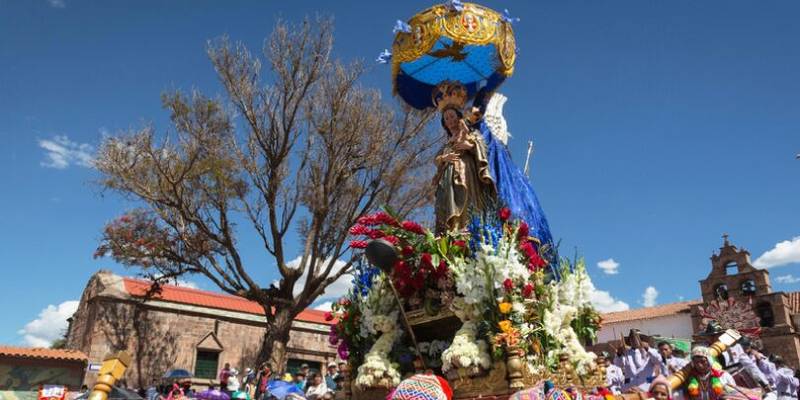
Las diferencias en creencias religiosas, valores personales y actitudes culturales hacia los roles de género, la estructura familiar y las libertades personales pueden generar sentimientos de desorientación, incomodidad e incluso discriminación. En general, he encontrado que los ecuatorianos son muy receptivos con los expats que vienen de otras partes del mundo, como Norteamérica o Europa. Pero cuando se trata de otros vecinos sudamericanos como colombianos o venezolanos, esas personas tienden a no ser tan bienvenidas, y suelen ser culpadas de todo lo que sale mal aquí.
La discriminación entre los propios ecuatorianos también es una realidad, y parece basarse en qué tan oscura o clara es tu piel. De hecho, mi esposa es ecuatoriana con raíces africanas, y podés apostar que nos han interrogado de lo lindo varios arrendadores cuando hemos ido a buscar casa (generalmente creen que ella es de otro país). Pero todo lo que realmente podés hacer es aceptar los golpes y estar preparado para responder preguntas incómodas como estas cuando surjan. En todo caso, eventualmente verás el "orden jerárquico" en funcionamiento si prestás atención, pero solo recordá que somos huéspedes aquí, y no es nuestro trabajo intentar "arreglar" las particularidades sociales de las culturas extranjeras. Nuestro trabajo es integrarnos, no interferir.
En cuanto a la religión, el catolicismo romano es la fe predominante aquí, aunque muchos otros tipos de religiones e iglesias están presentes y representadas. Si bien el catolicismo ha moldeado muchas de las leyes y normas en Ecuador, la influencia de la iglesia católica aquí parecería ser algo más superficial o ceremonial para muchos ecuatorianos. Eso no quiere decir que muchos de ellos no se lo tomen en serio, porque sí lo hacen.
Por ejemplo, casi arrendé una casa una vez que tenía unenormecrucifijo de un metro y medio colgado en la escalera. Antes de que pudiera preguntarle si lo quitarían, me informaron que la dueña creía que protegía la casa, así quenuncaaprobaría que yo lo bajara. Esto no es algo del todo inusual, así que si ese tipo de cosas afecta tu sensibilidad personal, sería mejor que siguieras buscando otro lugar.
En una nota más progresista, los miembros de las comunidades LGBTQ+ son generalmente aceptados en el área de Cuenca, aunque no puedo hablar de eso personalmente. Nuncahe sabido de demasiados otros casos de discriminación hacia expats LGBTQ+, pero el único caso que me viene a la mente involucró a una pareja gay blanca con dos hijos adoptivos negros.
Cuando intentaron arrendar una casa en particular, la dueña se negó rotundamente a arrendársela después de ver a toda la familia junta. Y si bien ese tipo de discriminación es técnicamente ilegal, es muy difícil combatirla aquí. Incluso si lo combatís y ganás, ¿querrías arrendar de alguien que te menosprecia?
Cultura Laboral y Trato con Empleados

Las diferencias en la ética laboral, la jerarquía de las oficinas, los estilos de comunicación y las expectativas profesionales pueden crear desafíos al integrarse a un nuevo ambiente de trabajo aquí. O, para la mayoría de nosotros, simplemente tratar con ese ambiente laboral como cliente o consumidor puede ser muy frustrante. Pero como la mayoría de los expats no vienen aquí a trabajar, me enfocaré más en el lado delclientede la ecuación.
Por un lado,el servicio al cliente, tal como muchos de nosotros entendemos el concepto, es una rareza aquí. Las tiendas más pequeñas con frecuencia serán un poco más conscientes al momento de atenderte. Pero en muchas tiendas más grandes, es más probable que te mueras en el pasillo 11 y te momifiques completamente antes de que alguno de los empleados siquiera reconozca tu presencia.
Hay algunas tiendas más grandes donde los empleados te preguntarán si pueden ayudarte, pero no contés con eso. Mejor estate preparado para buscar a un empleado y pedir ayuda. También debés estar preparado para que alguien más intente colarse frente a vos para obtener la atención de ese empleado. Lo mejor que he podido descubrir es aferrarme a ese empleado como una lapa hasta que termine con el cliente que tiene delante, y luego estar listo para intervenir de inmediato y recordarles que necesitás su ayuda, porque si no, alguien más lo hará.
Relacionado con esto está la aparente e inherente necesidad de ser "el primero" aquí, o como mínimo, "el siguiente." Si estás haciendo fila en la caja de un supermercado, o estás esperando en la fila de una farmacia, dejá el menor espacio posible entre vos y la persona que está frente a vos, porque inevitablemente alguien intentará colarse si cree que puede salirse con la suya.
Aquí es donde conocer ciertas frases en español puede ser útil, como "Soy el siguiente,"(Yo soy el siguiente), que la mayoría de los potenciales colados respetarán. Aun así, prepárate para ser completamente ignorado de vez en cuando — y. I know that line-jumping is a huge no-no in North America, but here, it’s practically a national sport – sometimes you’ll win, sometimes you won’t.
Related to line-jumping is the tendency for some locals to abuse things like dedicated lines for the elderly, pregnant, or disabled people. This happens in supermarkets, on the Cuenca tram line, and anywhere you’re likely to find dedicated lines or seating. Of course, there are just as many conscientious folks who, upon seeing someone who should be given priority, will move aside and offer you their seat or their place in line.
Then there’s that North American attitude that “the customer is always right.” That doesn’t exist here, so don’t expect it. Nor are there any real obvious attempts to win customer loyalty. For instance, I accompanied one expat to a cellular service provider’s office, and he was enraged because they promptly cut off his service after he was a day late with his monthly payment.

But that’s the norm here, and while I tried to explain this to him, he continued to bluster and get progressively louder, telling them (in English), “Well I’ll just take my business elsewhere!” The reaction he got was similar to the reaction shown in this photo – it was simply no big thing for them! The attitude here often seems to be, “Go ahead and take your business elsewhere – we’ll always get more new clients!”
I wouldn’t say that the customer service rep we were talking to was exactly indifferent to my client’s plight, but rather he appeared to be completely powerless to go beyond a certain point when dealing with customers. This is an informed assumption, but it would appear that “org charts” here are very tall and skinny, and that critical information only flows in one direction. As a result, lower-level workers have very little power to impact your consumer experience, and requests to “speak with a manager” will almost always lead to a dead end.
I’ve also found frontline employees to be very reluctant to approach a manager or supervisor on your behalf, so I strongly suspect that such behavior is frowned upon. As a result, many of these employees are powerless to resolve certain situations. Additionally, problems with business or government processes here never really get revised or resolved – they just keep getting “patched up” and made even more cumbersome and difficult to understand.
This also puts front-line employees in the position of having to interpret the rules for themselves, and that can be extremely frustrating for many ex-pats, as you’re likely to get a completely different response from everyone you talk to in a given job position. But if you just try to keep in mind that employees here have very little authority to offer creative solutions to whatever problem you’re having, it may help you to resist the urge to force the matter or lay the blame at their feet. In short, you need to realize that they probably feel as helpless as you do at times.
In terms of products you buy, you always want store employees to remove electrical or electronic items from the box, plug them in, and prove to you that they function normally, even for such small things as light bulbs! Why is that? Because, if you get it home and it doesn’t work, you’re pretty much limited to dealing with whatever manufacturer’s warranty applies to the product. Most stores here won’t do exchanges or refunds, though a few of them will do limited exchanges or give you an in-store credit. Cash refunds, however, are very rare here. In short, don’t buy anything until you’ve inspected it and make sure that it works properly before leaving the store.
Finally, if you decide to get irate during an interaction with a lower-level employee, please do NOT get up in their faces and read them the riot act. Because, if you do, you’ll suddenly encounter the most masterful display of passive aggression that you’ve ever experienced. It’s almost an art form here, and most workers you’ll deal with have long since perfected it.
By nature, most Ecuadorians are conflict-averse, so getting in their face and getting ugly with them is only going to shut them down while shutting you down in the process. The expression that you can “catch more flies with honey” has never been more true than it is in Ecuador.
Climate and Environment
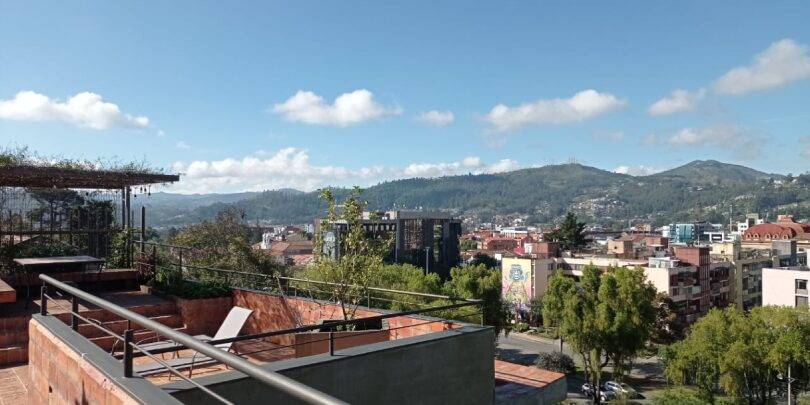
Adapting to a new climate, weather patterns, and environmental conditions can impact your physical comfort and well-being. This is especially true in the Sierra (mountainous) region of Ecuador, where the average daily temperature ranges from the high 60s to the low 70s, with an average humidity level close to 70 percent. If you’re moving here from Miami and you really enjoyed the heat, you’ll probably find that most high-elevation destinations in Ecuador are too chilly for you. But with that humidity level, walking the streets of Cuenca’s historic district on a sunny day when it’s 70 degrees Fahrenheit can feel more like 80 degrees! Five minutes later, when a single cloud covers the sun, it can suddenly feel 20 degrees cooler. As a result, your best defense against the ever-changing climate in the high Andes Mountains is layers! If you plan to live in Cuenca, Quito, or somewhere else in the Sierra region, throw an extra shirt and a hoodie in your backpack, and pop an umbrella in there, too!
Speaking of the cool weather, many (including myself) feel that the cooler weather between June and September has been gradually getting even cooler in recent years. Ten years ago, the most I ever needed during these months was a hoodie, a rain jacket, or a sweatshirt. Nowadays, I find myself occasionally needing a full-on winter coat. It can get especially chilly in the evenings, so you may want to consider bringing some flannel sheets, an electric blanket or mattress cover, and even a thick, down comforter. You may also find you need a space heater at night or in the early morning, but you can pick those up here.
Also, at the higher altitudes in Ecuador, very high UV index numbers are not uncommon. In fact, it’s largely the norm. Ultraviolet radiation poses several significant health risks, including:
Skin Damage: It can cause sunburn and accelerate skin aging. Long-term exposure increases the risk of skin cancers, including melanoma, basal cell carcinoma, and squamous cell carcinoma.
Eye Damage: UV radiation can lead to eye conditions such as cataracts, photokeratitis (a sunburn of the cornea), and macular degeneration, which can impair vision.
Immune System Suppression: Prolonged UV exposure can weaken the immune system, reducing the skin's ability to defend against infections and diseases.
DNA Damage: UV radiation can directly damage the DNA in skin cells, leading to mutations that can result in cancer.
Protective measures against UV radiation include things such as wearing sunscreen, sunglasses, and protective clothing, and avoiding being in the sun at its daily peak. You’ll see many Ecuadorian women carrying an umbrella, or a parasol. The danger is very real, and the damage it can cause can be devastating, so please try to avoid being a sun worshipper here and protect yourself from the sun whenever possible.
Going downhill from the Sierra, coastal temperatures and humidity levels can be downright oppressive, depending on what you’re used to. But there are also periods where it’s cloudy much of the time, or in some places, there can be considerable rain for parts of the year. All I can tell you in this case is to bring plenty of summer clothing and find a place with a pool!
The weather can (and does) vary, depending on the precise area, but you can typically expect temperatures similar to what you’d find in southern Florida. Socially speaking, many coastal towns and cities are small and offer very little to do. Of course, this suits a great many expats, especially if they love the beach life.
But if you enjoy city life, you’ll probably find most coastal towns a little too laid back and limited in what they have to offer. Many of the towns can also be noisy and dirty, depending on how far you are from the beach. (Cuenca, on the other hand, is scrupulously clean, partly due to the paid street sweepers who come out early in the morning and make everything nice and tidy.)
Typically, the beach itself and the first few blocks heading into town will be neat and clean, but the farther you go, the more likely you are to find trash everywhere. There are larger coastal cities, such as Guayaquil, Machala, and Manta, but due to recent crime issues on the coast, we recommend that you avoid those areas until the government brings them back under control.
Crime and Punishment
Unfortunately, at the time of this writing, drug-related crime and violence have become a serious issue all along the coast. It’s also present in Cuenca, too, though not nearly to the extent or scale that you’ll find on the coast. You can read all the details in the most current news reports, but suffice it to say that this is probably not the best time for expats to live on or travel to the coast. And while Cuenca is relatively much safer, crime happens here, too, so you should avoid walking outdoors alone at night, especially on poorly lit streets where there are few or no pedestrians. Even with a friend, you should still avoid those areas.
You should be aware, however, that robbers and pickpockets tend to operate where the expats are. For that reason, you should only carry enough money to meet your needs for a given day. And if you need to make a larger purchase, the increasingly common method here is to do a bank-to-back transfer of funds to the seller.
Also, avoid wearing expensive jewelry out in public. A set of inexpensive “dummy” wedding rings is a good idea if you choose to wear a ring. And if you do get robbed here, try to inform a policeman as soon as possible to take a report. This will help with statistics (and warn other expats), but don’t expect the police to actually go searching for your assailant. It does happen occasionally, but you will likely just need to accept the fact that your belongings are long gone, and the likelihood of the police doing anything about it is slim.
Some folks bring a cut-proof, reinforced backpack with a protective RFID lining to prevent someone from reading the chips on their credit and debit cards. I’d also recommend putting some sort of luggage lock on the opening. This can be very important if you like to ride the bus because many pickpockets ride the same buses. And if you’re in a huge crowd, like the holiday parades here, do the same thing and protect your belongings. Cell phones are very popular targets, so keep yours tucked away in a safe place.
If you carry your phone in your trousers, put it in your front pocket, or lock it away in a secured backpack. One thing that I do is carry an older, cheaper phone when I’m out at night, so if someone does rob me, my good phone is still safe at home. One tip that a friend gave me is that put a rubber band around his cell phone, which provides some friction that you’ll notice if someone tries to snatch your cell phone out of your pocket.
Back to the police, it’s not just the “bad guys” you have to be concerned about. In many parts of the country, there are transit cops who set up traffic stops to shake down drivers who are either speeding, have a burnt-out brake light, or perhaps are driving on balding tires. Or, sometimes they’ll simply stop you for no reason at all, except to try to find any reason to exact a bribe from you before they’ll let you go. I’ve never personally been shaken down in Cuenca, but I know of others who have.
In my case, it’s happened to me several times just this past year while traveling along the coast in Manabí province. As an attempt to avoid paying a bribe, some ex-pats will pretend they speak no Spanish, while others carry a “dummy” wallet or purse that only has a few small bills in it – a trick that seems to work for some but did not work for me.
Ultimately, there’s no real defense against this practice aside from making sure your vehicle is defect-free, has good tires, and that you watch your speed. And you should know that it is legal to film any government employee here (including the police) when in the performance of their job. But the one time we tried that, it ended up in a weird standoff. Luckily, we got away with only giving him a small handful of change — along with our agreeing to delete the video. It’s a complex situation in which most people feel violated for allowing the police to take such advantage of them, but it is definitely not the time for righteous indignation or becoming rude to the policeman, which is enough to get you arrested.
All you can do is remain calm, and polite, and try to offer the smallest amount possible to convince them to let you continue on your journey.
Bureaucracy and Legal Systems

Navigating unfamiliar legal systems, bureaucratic procedures, and administrative processes for obtaining visas, permits, or residency status can sometimes be stressful, to the point of being overwhelming. For this reason, if you don’t speak fluent Spanish, situations like these almost always call for a facilitator who is familiar with the process you’re trying to accomplish. One word you’ll eventually learn in Ecuador is “trámite,” which loosely means “process or procedure.” But here in Ecuador, the word takes on a bit heavier meaning, such as excessive red tape and inordinate amounts of paperwork when dealing with government officials or certain businesses.
Then there comes the process of entering your information into their computer system, which almost always takes five times longer than you’d think it should. Unfortunately, this is an unavoidable part of living in Ecuador, and your best defense against dealing with it is simply to be patient. One way of minimizing the aggravation is to listen very closely when specific information is requested of you because failure to provide exactly what is requested will only drag things out and make you more angry and frustrated. No amount of complaining will make things move any faster, and, in fact, will likely make things take longer.
In terms of the legal system here, you should be aware that Ecuadorian courts don’t use the same “Common Law” approach to court cases as is used in North America, where many court case decisions are based on precedent. Instead, Ecuador uses the “Napoleonic Code,” where the only thing that’s looked to by a judge is the letter of the law itself. The end result is that the judges here have much broader discretion when deciding a court case, and a lot of it will be based on that judge’s particular interpretation and application of the law. This should not be an issue for most expats, but it’s good to be aware of.
The Libel/Defamation Laws
It’s not a matter of if, but more of a matter of when you find yourself being treated less-than-fairly by some local service provider. It could be an attorney, a visa service, or any random “facilitator” who regularly helps expats carry out a wide variety of tasks.
The important thing here is to avoid going online and trashing that person’s character, or saying anything bad about them at all. This can get you sued in a hurry, and an expat in an Ecuadorian court is already at a disadvantage. Also, choose your battles wisely, because trying to sue someone here can put you in a spotlight that you’re better off avoiding, and one that could actually put you in danger of retribution. So if you have a negative experience with some service provider and you wish to warn others, you should only do so on a face-to-face basis, and then only with someone you know and trust.
One thing I recommend is that if you plan on hiring someone to do a considerable amount of work for you (such as a visa facilitator), you request a written contract that specifies the maximum you’ll end up paying for any given service. These providers already know what everything costs, so this shouldn’t be a burden for them, and it should prevent them from coming up with “hidden” fees that they supposedly didn’t anticipate.
Housing and Living Conditions
Adjusting to different housing standards, amenities, and living conditions, such as housing size, cleanliness standards, and infrastructure reliability can impact one's sense of comfort and well-being. Whether you buy or rent, you need to do your homework before signing on the dotted line.

Renting a Home
Renting here is not like renting in North America. Lease language can vary a lot, and, most typically, the leases are tilted heavily in favor of the owner/landlord. The tenancy law, however, tends to lean more in favor of protecting the tenant, so always request a copy of the lease, get it translated, and then make or request certain changes to protect yourself. I go into this in great detail in my three articles on Finding a Home in Cuenca, especially in the article devoted to lease issues. When you’re doing a pre-inspection before moving in, don’t expect the same architectural standards or attention to detail that you'd find in most developed countries. The sheer assortment of potential problems with a house or apartment can drive you crazy here, especially if you don’t know what to look for before moving in. But rather than going into too much detail in this article, you can find almost everything you need to know about the local renting process in my three-part series in YapaTree on “Finding a Home in Cuenca.”
Buying a Home
Most expats in Cuenca rent, but a fair handful of them purchase their own homes as well. My only experience in this matter is watching what other expats have gone through just to get to the final closing date. The process is much different than what most North Americans are used to, so you’ll definitely want to have someone knowledgeable about the process to guide you through it. Though many expats disagree with the idea of buying a home here, I personally remain skeptical. The lack of zoning laws and the poor quality of construction of some houses and condos make me wary. But if you are interested in buying, I suggest that you start by checking with the real estate people who work in conjunction with YapaTree.
Transportation: Getting Around in Cuenca
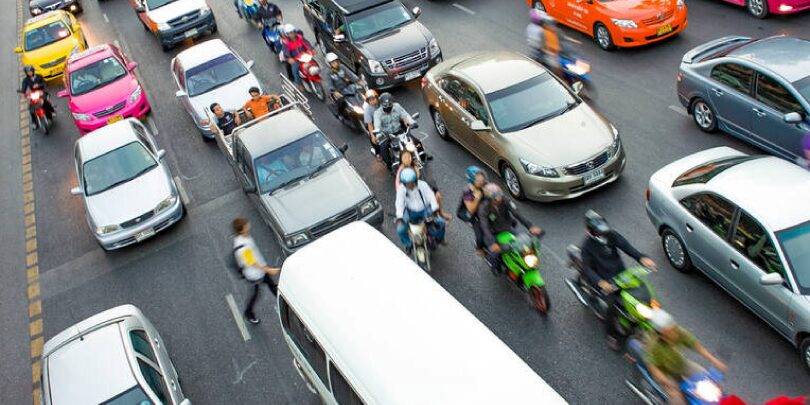
One thing that many expats enjoy about Cuenca is the ready availability of public transportation, plus the fact that Cuenca is generally a very walkable city. But for all the convenience, there are still a few headaches involved until you figure out which options are best for you and then learn how and when to use them.
Motorcycles/Scooters
I mention these first because they impact every other form of transportation here. Since the COVID-19 pandemic, there has been an explosion of moto-based delivery services and motos in general. In my opinion, they create the most chaos and danger on the roads here, taking ridiculous chances and risking their lives while weaving in and out of traffic. And trust me, there’s nothing quite like having two motos pass on either side at the same time, then crisscross in front of you, or otherwise turn in front of you and force you to hit the brakes.
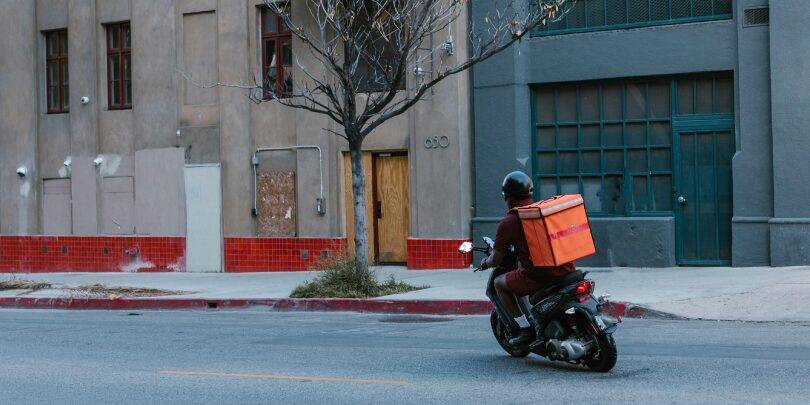
They routinely drive much faster than the speed limit, don’t use their headlights, go the wrong way on one-way streets, and I’ve even seen them drive on the sidewalks to get around a long line of autos. I find motorcycles a clear and present danger on the roads here, and I’ve had more near-misses than I care to recount. If you choose a moto or a scooter for yourself, please follow the traffic laws and not the example that local moto drivers set.
As I mentioned above, motos will pass on either side of a larger vehicle, paying no attention to the people exiting buses and taxis. So please look out the window before exiting a vehicle to make sure a motorcycle isn’t about to run you down. It has happened here, and I know folks who’ve been badly injured by passing motos. Another more nefarious motorcycle hazard is when there are two people on a given moto, and then the driver will veer in close enough to the sidewalk to grab your cell phone or purse right out of your hand. So if you ever see two drivers on a moto heading in your direction, get away from the curb and take any other sort of evasive action necessary.
If you are considering 2-wheeled transportation for yourself, some options that do not require you to have a license or registration are electric scooters and motorized bicycles. Some expats have opted for those as a means of getting around. Just keep in mind that many drivers of 4-wheeled vehicles have become numb to the idea of avoiding contact with motos, and as such there are a lot of accidents between motorcycles and other types of vehicles.
Private Auto
If you choose to drive a vehicle in Cuenca, you’ll have a lot more freedom in terms of exploring the city and other parts of the country. Still, most Cuenca expats opt not to have a vehicle. Some expats don’t have one because they feel it’s too dangerous, while others just don’t want the hassle or expense of owning a car. I personally don’t think it’s nearly as bad as some expats do, but it does require a different mindset. It’s not as bad as some other countries I’ve driven in, but keep in mind that I’m mainly referring to Cuenca and similar/smaller-sized communities right now; Guayaquil and Quito are a whole different story, and trying to drive in either of those cities is daunting, to say the least. Vehicles turn and change lanes without signaling, they straddle multiple lanes at the same time, and then, just when you think you’ve got the hang of it, you find out that you accidentally ended up in a “Bus Only” lane.
But in terms of accidents, there don’t seem to be nearly as many here in Cuenca as I used to see in Colorado, which I attribute to the unpredictability of other drivers. That may sound odd, but as a result of said unpredictability, you must drive both offensively and defensively at the same time. This is necessary just to navigate through the traffic here, and also to avoid drivers who regularly do nutty things. It does take some getting used to, but once you get a handle on things, you’ll find that there’s a certain method to their madness. My working theory is that drivers here must pay more attention to what’s going on around them, primarily because they have no choice! I’ve seen more accidents in the U.S. in a month than I’ve seen here in over ten years. I guess that it’s because, in North America, drivers are theoretically more predictable. As a result of that predictability, it’s easy to become complacent and simply assume that other drivers are going to obey traffic laws and do the right thing.
So when something unexpected happens, the drivers simply aren’t expecting it, and that’s when accidents occur. Here in Cuenca, the unexpected is the norm, and as such, I believe that drivers remain more alert to traffic hazards, and perhaps a bit more adept at avoiding them. The only exception to this observation is where motorcycles are involved, and I believe that there are many more accidents here involving motos than in North America.
In general, be prepared for drivers who do not pay much attention to traffic signs or stop lights. On multi-lane streets, be prepared for drivers to swing out into your lane simply to help make a turn in the opposite direction. I personally swapped paint with a large ambulance that swung into my lane, but I was able to hit the brakes and avoid a full-on collision. Likewise, I’d been driving here for a long time, so I was also prepared for the unexpected.
Additionally, be aware that most Ecuadorian drivers here seem to have a deep inner desire to be “first” in a given line of traffic. This again results in drivers taking some crazy chances, so you simply have to keep your wits about you and be ready to slam on the brakes at a moment’s notice. Of course, this urge to be first isn’t unique to Ecuador, but some seem to be more noticeable here. Regardless, complacency on the road is not an option here. By the way, if you are in an accident here and someone is injured, be prepared to be taken into custody, at least until it can be proven that you’re not drunk or under the influence of some other illicit substance.
Apart from dealing with other vehicles on the road, there are also several other road hazards, such as deep drain holes along the side of the Panamerican Highway that runs through Cuenca, other deep potholes, unmarked speed bumps, extremely uneven road surfaces, and dangerous rock slides that range from causing a slight interruption in the flow of traffic to something that can crush a car. The photo here shows one such boulder, and I had to drive around one that was quadruple the size of the one in the photo. Cuenca city streets, however, are typically maintained in very good condition. There are exceptions in some parts of town, but once you’re outside of Cuenca, the exceptions multiply rapidly.
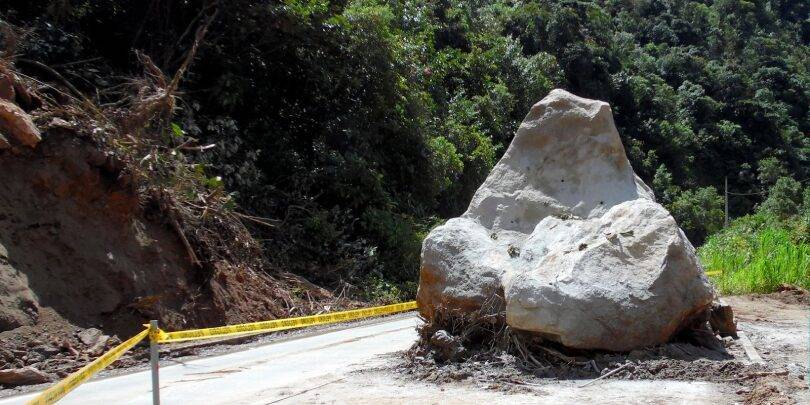
Photo taken by the author
Car Insurance
Unfortunately, auto insurance is optional here. As a result, many drivers opt not to have insurance. It also means that a lot of drivers here flee the scenes of accidents. One of the best bits of advice I can give you is to buy a good quality “dash cam” with both front- and rear-facing cameras. If you don’t have video proof that you weren’t at fault in an accident, you most likely will be deemed to be at fault. I’ve always had insurance here, and it costs about the same (or less) than insurance costs in the U.S. Your best bet is to visit an insurance broker who can find the best policy and price for your vehicle. If you do get in an accident, insurance will cover it… and then drop you at renewal time. Fortunately, there are always other insurance companies to pick up the slack.
Buses, Taxis, and the Tranvía
Public transportation in Cuenca is almost always readily available to get you where you want to go. For the bus system and the Tranvía (tram) in Cuenca, you must have an individual user card for each system – neither accepts cash once aboard, but you can buy individual Tranvía tickets at any of the stations for $1.00. These cards can be obtained in multiple locations, and if you’re 65 or over, make sure you get the cards for the tercera edad (the term for anyone over 65) card, as your ride will cost only half of what younger folks pay.
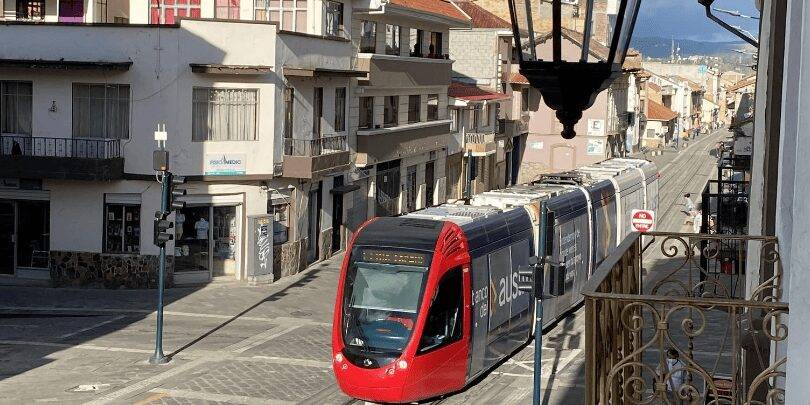
Buses go all over town, and you must determine which numbered bus line will take you to your desired destination – never assume! And at peak times of the day, many buses will allow as many people aboard as can squeeze through the door. This makes a pickpocket’s job quite easy, so make sure your valuables are properly and safely stowed away. Many bus drivers also drive way too fast, run red lights, and routinely cut off other vehicles. Next to motorcycles, I consider buses the next most hazardous vehicles on the road.
As for taxis, there are an incredible number of them in Cuenca – unless it’s raining, in which case most of them are already full with other passengers. But for a variety of safety and convenience reasons, it’s much better to use a taxi app on your cell phone when you need a ride. AzuTaxi and Cuenca Taxi are two such apps, and sometimes they can get you a ride a lot faster than hailing a taxi on the street.

And speaking of hailing a taxi on the street, that’s becoming increasingly less and less safe; sometimes, a given taxi on the street has been stolen from the rightful owner, and is being used to pick up people, and then they drive the person around the corner and pick up an accomplice. They then drive you around to as many ATMs as is necessary to drain your accounts. This doesn’t happen very often in Cuenca, but it’s a big problem in Guayaquil, and perhaps in Quito. With the apps, you get the driver’s name and license plate number, and, with some services, you may even get the driver’s photo. By the way, if your taxi arrives and there is someone else in the cab apart from the driver, play it safe and wait for another taxi.
The Tranvía, aside from being a nightmare during construction, has turned out to be very handy for getting to and from many locations near the tram stations. It runs from the Industrial Park on the southeast side of Cuenca to Rio Tarqui on the northwest side. This takes you through the heart of the Historic District, out past the airport in one direction, and out along Avenida de Las Américas in the other direction. This has opened up a lot of new housing options for expats who previously were forced to take a taxi or a bus into town. So rather than paying $3 - $5 for a taxi, using a prepaid Tranvía card costs a mere fraction of that. If you buy an individual ticket, it costs one dollar. But if you’re a senior, it costs a mere 17 cents per ride – or 29 rides for five dollars! Buses are much cheaper, too, but I personally avoid riding the buses here for a variety of personal reasons. In any case, a 10-minute Tranvía ride can save you a few hundred dollars per month on a rental property, because the closer you get to El Centro, the higher the rent.
The Potential Social Isolation of Being an Expat
This particular aspect of culture shock can be one of the most difficult for us to deal with, and can be the lone factor in determining if we even succeed in living abroad. Feelings of loneliness, isolation, homesickness, and guilt are all common when separated from familiar support networks, friends, and family members. Loneliness isn’t a huge issue for me now because I started a new family here.

But I was alone for my first two years here, and I missed my family back home terribly. Those feelings eventually lessened and became tolerable over time, but for the first year or so, I frequently second-guessed my decision to move here. I’m personally comfortable with the idea now, but I still have occasional pangs of guilt because I’m not back in the U.S. and not physically available to do things with my biological kids, grandkids, and siblings. In fact, based on personal observation, most of the expats who eventually return to their passport countries do so because they either miss everyone too much, or because they have ill or elderly family members who need their help.
I personally try to get back as often as I can, but finances don’t always cooperate. Many of us stay in touch with family members and friends via WhatsApp, Facebook, and Facebook Messenger. Both WhatsApp and Messenger offer audio- and video-calling capability, and in my opinion, are much easier and faster to use than Zoom, Facetime, or similar apps. The only requirement is that the person on the other end has the same app installed.
The one thing that’s helped me the most in becoming comfortable with my decision to move to Ecuador is the fact that it’s changed my life in a number of significant ways. I can honestly say that my life and my future prospects have changed for the better since I moved here, and it may have even saved my life. Two of my adult children have visited me here, and they totally “get it.” They’re very happy about the effect that living in Ecuador has had on my life, and they’ve been instrumental in helping other family members understand and accept my choice to move here. If you’d like to read more about my personal journey of reinventing myself in Ecuador, click here to read my article on the topic.
Once you’ve been here for a while and feel “established,” you may want to invite one or more family members down to Ecuador to see just how it’s impacted your life – that’s the only real way they can understand why you came here, and why you plan on staying. Having family come to visit also helps this feel more like “home” once you’ve had a chance to share your new life here with them.
In other cases, some expats develop serious health issues of their own and have to return to their passport countries to get help for themselves. Long-term elderly care facilities are in short supply in Ecuador, mainly because elderly Ecudorians are usually cared for by family members in their own homes, right up until the time they die.
We expats, depending on who’s here with us, often don’t have that option. Plus, most of us have sold our homes and the bulk of our belongings to move here, intent on remaining here for the rest of our lives. But that’s a huge, life-altering step, and some expats come to regret having burnt so many bridges in order to move here. So if you’re not currently an expat in Ecuador but are thinking about moving here, you need to do a lot of soul-searching and decide whether or not you can weather these particular storms, because it’s not always easy.
Being in the Hospital in Ecuador

One thing you’ll notice when you check into a Cuenca hospital is that there is almost always at least one family member with each patient, and hospitals rely on those family members to hang around the hospital and provide for many of your non-medical needs. All the private hospitals I’ve been in have a sofa bed for one or two of your family members to spend the night with you, and attend to your more mundane needs. The nurses or aides come in every night and actually put sheets and pillows on the sofa bed, and then unmake it the next morning. If you’re here without a family member or a friend willing to stay at the hospital with you, you may have to hire someone.
Another thing you may find to be a bit of a culture shock is when you’re finally ready to check out of the hospital, but you don’t have the money to pay your bill. What happens then is that they won’t let you leave! I refer to this as “hospital jail,” and that’s where you will stay until you can find the funds to pay your bill.
Regarding private health insurance, a lot of the price depends upon your age, your overall health, and any pre-existing conditions. Most plans will cover you on pre-existing conditions after a few years of buying their coverage but don’t think that they won’t look for other reasons not to cover your claim. The current crop of private insurance companies feels solid, more or less, but there have been at least two private insurance companies that closed down and disappeared in the middle of the night. Another option is the Ecuadorian Social Security Institute (IESS) for your health care, which is far less expensive and doesn’t care about pre-existing conditions, but keep in mind that you’ll sometimes have to wait months for an appointment, regardless of how sick you are.
However, the IESS hospital systems are currently under investigation for corruption, where most of the funds coming in are not being used for medical supplies and medicine. I’ve had to leave the IESS hospital to go buy medicines that the ER doctor needed to treat a friend, and you can best believe that they did not reimburse me.
My approach is to have IESS coverage for routine doctor appointments and long-term catastrophic care. Then, I mostly see private doctors or specialists and pay out of pocket for urgent issues that can’t wait for an IESS appointment to open up. A specialist here in Cuenca typically costs $40 - $50, but most of the time you’re not expected to pay for the appointment for the follow-up visit. Then, I’d highly recommend establishing an emergency medical fund of between $5,000 and $10,000, which would cover a wide variety of procedures and short periods of hospitalization. I’m not suggesting that you follow my approach necessarily, but I wanted to give you at least one gringo’s strategy.
If you’re a U.S. military veteran or retiree, there is a new clinic that’s going to be opening in Cuenca soon that will treat service-connected conditions, as established by the Veteran’s Administration. Also, if you’re Tricare eligible, you can use your Tricare in Ecuador, but you have to file a claim after the fact, after which you’re typically reimbursed at about 75 percent of the claim amount.
Moving Here, Sight-Unseen
I know several people who’ve moved here, having never been to Ecuador before, and without knowing whether or not they’d feel at home here. Many of those folks do just fine here and have no regrets about not having made a scouting trip before moving here. But I also know others who spent every dollar they had to move here and start a new life – only to hate Ecuador.
Some of them now feel “stuck” here because they have no home to return to, and no money to facilitate such a move. In my personal opinion, moving here without ever having visited is a very bad idea, although some people do it without incident. But in my mind, it only adds to the possibility that you’ll have trouble adapting here when faced with one or more of the previously covered Culture Shock topics above.
Making Romantic Connections in Ecuador
A lot of expats arrive here as singles, and many of them come with the hopes of finding love and/or companionship. Depending on your age, gender, and a number of other factors, you may or may not be successful in this endeavor. But if you are, and if you connect with an Ecuadorian here, you’ll instantly discover just how different and similar our respective cultures are at the same time.
There will almost certainly be new and unexpected challenges, and you’ll probably find that the people here like to move a lot faster than we’re used to, at least in terms of cementing the relationship. But this is a vast topic in and of itself, so the only thing I can suggest here is to take your time, do your homework, and, above all, follow your gut.
Don’t let yourself be pressured into making any life-altering decisions that you may regret. The only other thing I’d add is that, if you like to frequent various bars or clubs in hopes of meeting someone, be very careful – many expats have had their drinks dosed with scopolamine or other incapacitating drugs, and were later either assaulted, robbed, or both. Never leave a drink unattended if you’re spending the night out on the town!
Wrapping Things Up
I know I’ve thrown a lot of information your way, but all of the above issues can add up when you’re a new expat, and understanding these triggers and the causes of culture shock can help you prepare for and successfully navigate the challenges of living in a new cultural environment.
Please note that I’ve tried to offer at least one or two strategies for each of the above topics, but there are many additional triggers for culture shock and just as many additional strategies that may work better for you than what I’ve suggested. If you have any questions, I invite you to join my Facebook group Expats Without Agenda, where one of the friendliest groups of expats in Ecuador are ready and willing to answer any question you have.