

My biggest surprise from our weekend in the forest? At 3,000 metres, you can feel the clouds.
Not see them, although you do that too, rolling through the pines in the late afternoon until the trees a hundred metres away go grey and then disappear. Feel them. When the mist comes through, it's a little chilly, and you get these tiny droplets on your face and arms. Gina, whose family owns the place, framed it perfectly: "You breathe water."
Thirty days before we went, I didn't know Bosque Gualel existed. It's a forest about 75 minutes south of Cuenca that Gina Ambrosi has only just opened to visitors, and in late September our two families, twelve of us across three generations, were some of the first to spend a night there. The video above is the whole weekend. This article accompanies the video and digs deeper into what it costs, how to get there, what we'd do differently, and who I think it's actually for.
The short version
Where: past Nabón in Azuay, about 75 minutes south of Cuenca on the Panamericana, then 10 km toward Gualel on a dirt road through the pines.
How high: a little over 3,000 m, roughly 550 m above Cuenca. Colder at night than you expect.
Camping: around $22 per person with breakfast. Bring your own tent.
The lodge: from $72 per person, meals included. Private rooms, own bathroom, hot water, a heater, no wifi.
Getting in: in the rainy season you need a 4x4 for the last stretch, or Gina collects you from the top. Groups of 10 or more can book van transport from Cuenca.
Booking: WhatsApp Gina on +593 987 289 146, or bosquegualel.com.
Prices from Gina, September 2026. Check with her before you go.
Getting out of Cuenca
I love this city. But, by the end of that week, our team had closed three sales, four rentals and a run of short-term check-ins and check-outs, and I needed a weekend that didn't involve a phone.
Bosque Gualel solves the phone problem for you. There's no phone signal out there, and no wifi at the lodge. Gina's view is that this is a feature, and after one night I agree with her.
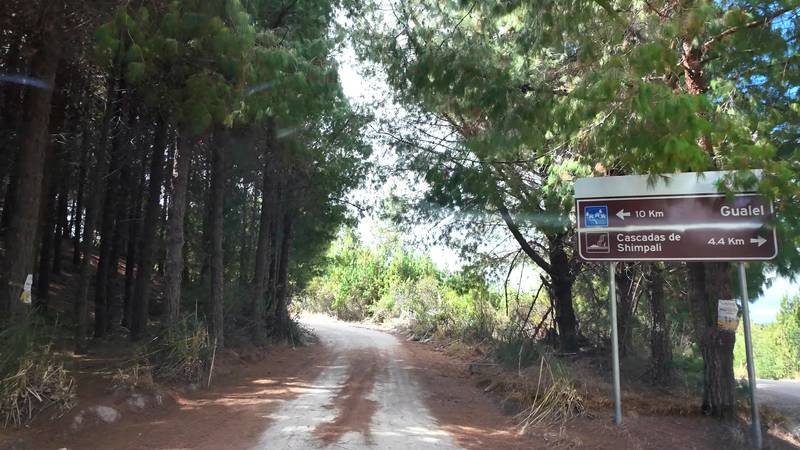
The drive is easy until it isn't. South on the Panamericana, through Nabón, then you watch for a sign that says Gualel, 10 kilometres. The last stretch is a dirt road, you slow right down, and the pine forest gets denser and quieter until the traffic noise is just gone. We met Gina at the top, at the Aserrío, where everyone meets, and left the cars there for the night: it had been raining, and the track down to the lodge is the part a normal car can't always get back up.
How a pine forest saved a native one
Michelle met Gina years ago through martial arts. Gina's from Cuenca, she used to sell real estate, and her family has owned this land for almost forty years. The way she tells it, the story starts with her father, who she describes as a dreamer, someone who always thought outside the box.
When he bought the land, the roads out here were poor, and the native forest on the mountain was being cut down to make charcoal. So he stopped the cutting, and he planted pine. His idea was that people who needed wood could take it from a plantation instead of from the native forest.
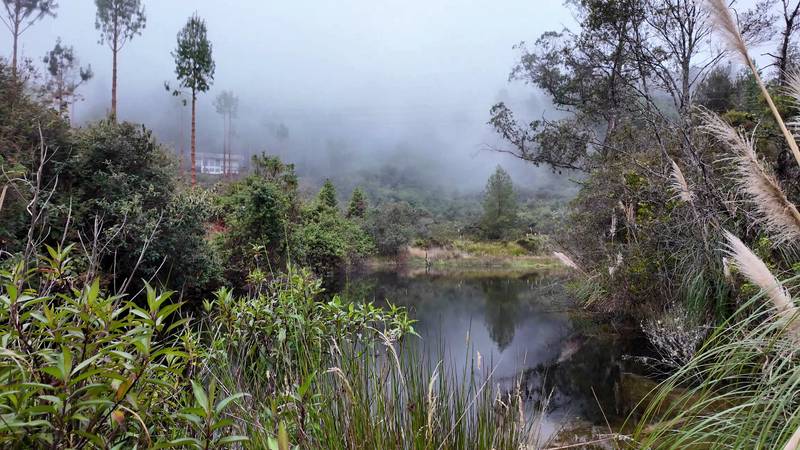
It worked, and in a way he probably didn't plan. Today the property is around 400 hectares: roughly 320 of pine, and 80 of native forest that, in Gina's words, has been able to survive and actually grow under the pines' protection. She credits the pine needles with bringing the water back. With the native forest burned off, the ground had lost the organic matter that soaks up rain and cloud, and the springs had more or less dried out. The needles hold the water and let it sink in slowly instead of washing the soil away. Now the springs run again, down through the property and into the rivers. Gina calls it a water factory.
I'm reporting her explanation, not making a scientific claim. But, standing in that mist, it's not hard to believe.
That's why she uses the phrase regenerative tourism. She wants people to come and feel regenerated, and the place to be better for the next generation than it is now.
Tent or lodge?
This was the big decision for us, and it's the one you'll make too. Gina set it up deliberately with two options, because most groups have both kinds of people in them: the ones who want nature with a hot shower, and the ones who want to sleep on the ground.
The lodge sleeps up to eight. The rooms are private, with their own bathroom, hot water and a heater. The campsite sits in a sheltered clearing about 100 metres away, across a small stream, with pine on every side.
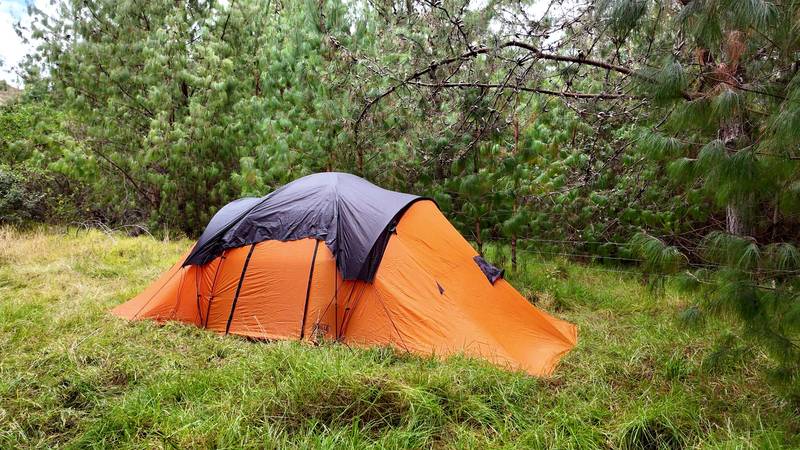
With twelve of us, some people were always going to end up outside, and I had a feeling it would be me. It was. Our tent was a six-to-eight person one, the sleeping bags were warm enough, and it rained overnight, which was honestly quite nice to listen to. If I did it again I'd spring for an air mattress. The ground was quite spongey because of the long grass, but still not quite plump enough for me.
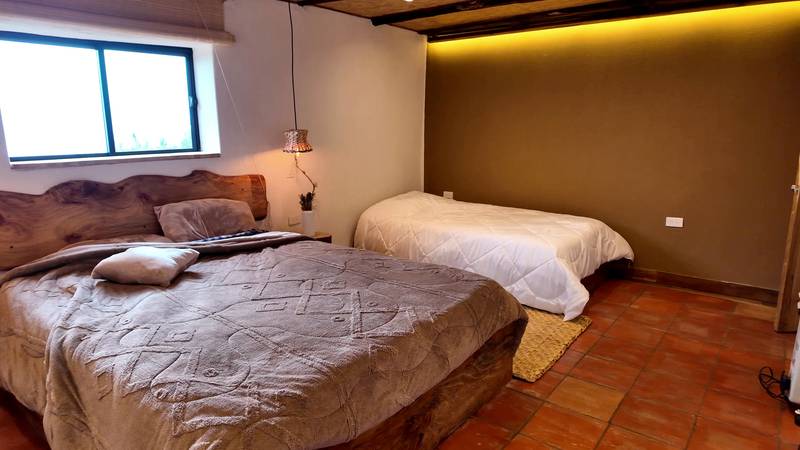
Prices, as Gina quoted them to us in September 2026: around $22 per person to camp, breakfast included, and from $72 per person in the lodge, with pretty much everything including food.
Full disclosure: Gina is a friend, and she gave our group a discount on part of the stay.
And yes, there are pumas on this mountain. They're around from time to time but not a common sight, and I wasn't too worried about it from my tent. Mostly.
Into the fog
By late afternoon the fog had rolled in. We had tea, fresh bread and guacamole at the lodge, pulled our boots on, and Gina took us out into the forest.
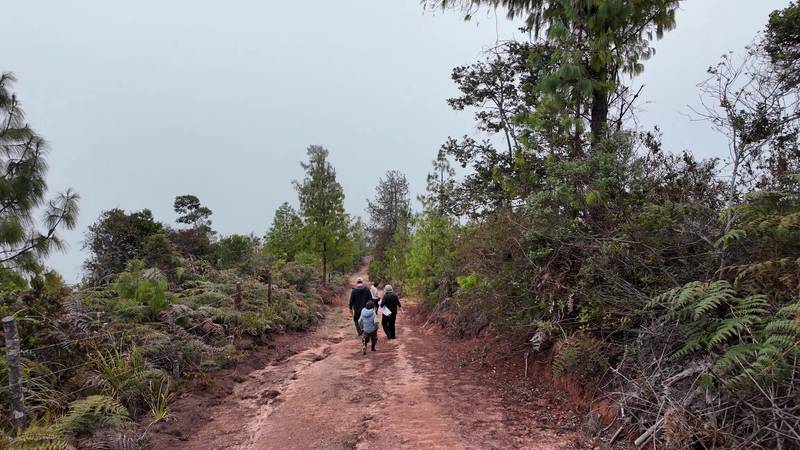
The hike turned out more strenuous than we expected: a couple of real hills, and it was getting dark by the end. If we had our time over, we'd have started earlier or asked for something shorter, and Gina is happy to tailor a walk if you tell her what your group can handle. Tell her. We had people from a toddler to a grandmother with us.
Down by a lake, one of the kids spotted tracks in the mud. "Y ahí están las huellas del venadito": and there are the little deer's footprints.
Dinner, a loft full of kids, and a fire
Dinner is in the lodge, and there's one rule: the whole group eats the same menu, because it's a small kitchen. Agree on it before you arrive. We had the Andean menu: squash soup, smoked chicken with roast potatoes, a salad, and figs with cheese to finish. It went down very well with all twelve of us.
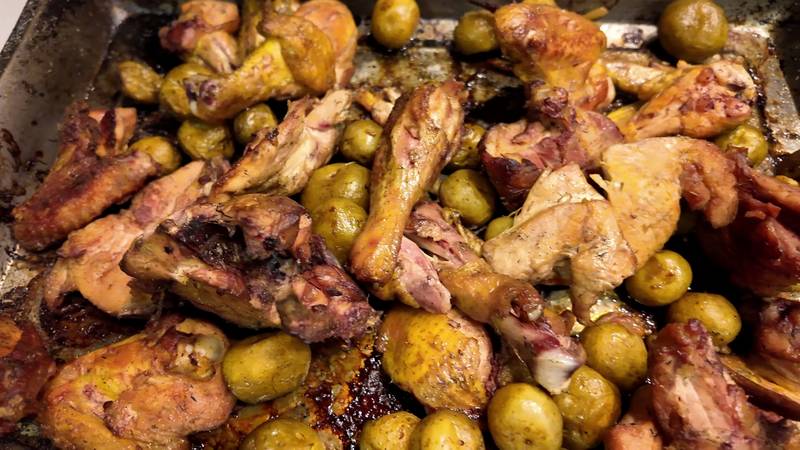
To drink, horchata. Not the Mexican rice drink. The Ecuadorian one is pink, made from a mix of herbs and flowers, and if you've never had it, this is a good place to start. We'd brought a few beers too.
Then the kids took over the loft, and the rest of us took the marshmallows out to the fire.
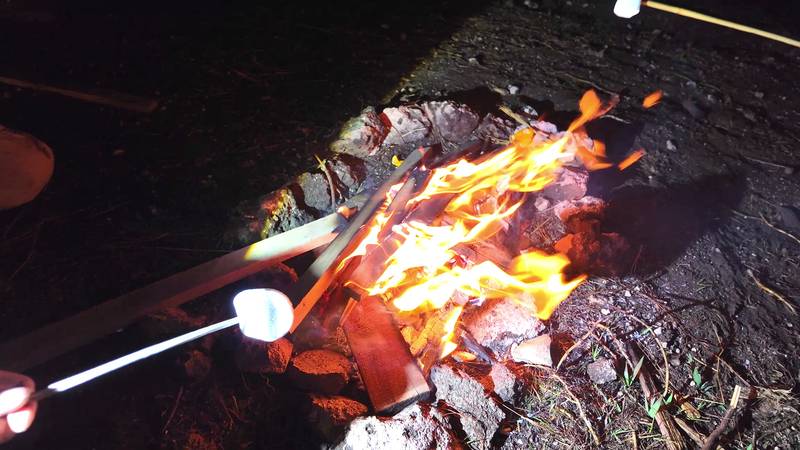
That fire was my favourite part of the weekend away. Not the view, although the view is good. It was the silence. No traffic, no neighbours, nothing except our own voices and the fire. Just a bit of quality time with the family, which can be harder to find than it should be.
Sunday: smells, springs and bees
Breakfast was scrambled eggs, bread from Panadería Todos Santos in Cuenca, fruit, coffee and juice.
The thing I hadn't expected was the smell. You get pine, obviously. But, it's mixed with Andean forest, and every so often you walk into something sweet, especially where it meets the water. I couldn't tell you what it is. Just that it's really delicious.
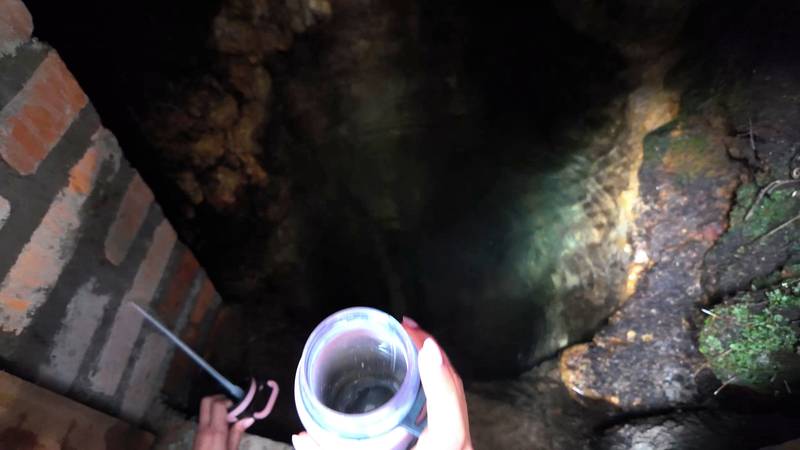
After breakfast Gina walked us out through the native forest to one of the springs. From the outside it's a hatch in the ground. Underneath, it's where the water comes straight out of the mountain. Michelle pushed a jar down into the spring, and it came back up full. Gina is getting ready to bottle that water under the name Pumagua, for the pumas, which she calls the guardians of the springs. When we were there, the launch was still a month or so away.
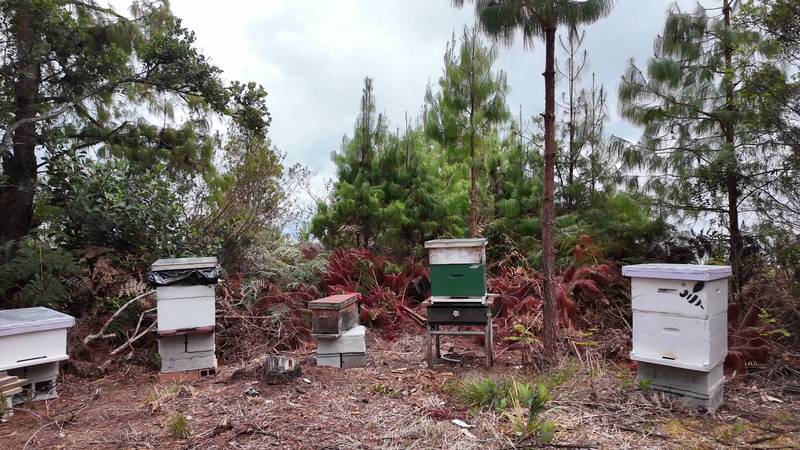
Then the bees. Gina only set the hives up in May, and she wants to give them about a year before she takes any honey, so there was nothing to taste. But, I loved Gina's bee setup enough that I'm buying a couple of hives of my own, and Gina's going to look after them on the farm. It's another reason I'll be back.
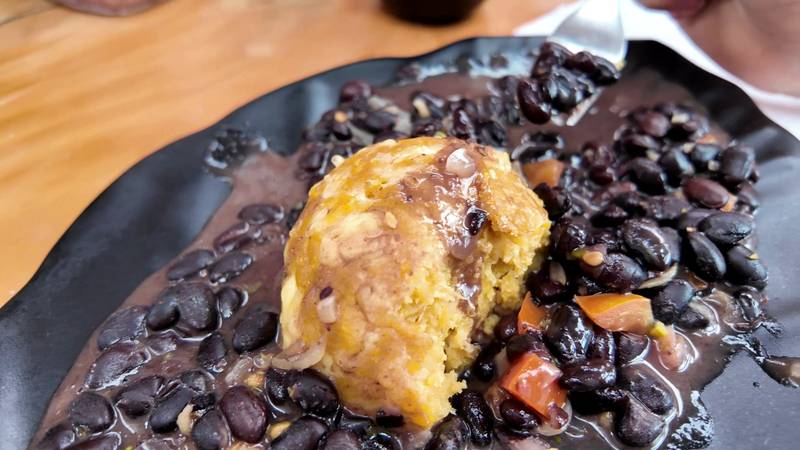
Lunch before we left was bolón de verde, green plantain mashed into a ball, with menestra, a bean stew.
Who it's for, and who it isn't
It's for groups and families. That's who Gina built it for, and it's exactly what worked for us: twelve people, three generations, and everyone found their own thing, whether that was the loft, the fire, the deer tracks or the quiet.
It isn't for you if you hate the idea of a cold tent. But, the lodge is right there, so even then it can still be for you. Whichever you choose, bring a couple of extra layers. At this height the night gets properly cold. Our guide to a day trip in El Cajas has a good list of what to wear at altitude, and most of it applies here.
A few practical notes from our night:
Plan the menu with your whole group before you arrive. One menu, one kitchen.
In the rainy season, plan on a 4x4 or Gina's pickup from the top. Ask her when you book.
Tell Gina who's walking before the hike, not after.
Bring layers, a decent sleeping bag, and an air mattress if you're camping.
Expect no signal. Download anything you need before you leave Cuenca.
Gina said one thing in our interview that stuck with me. You can't say you love nature if you never go to it. It's like saying you love your husband and never seeing him. To care about a place, you have to go and feel it with all your senses.
That's the best case I can make for one night out here. If you're looking for more ways to get out of the city, Girón and its waterfall make an easy day trip. And if you'd rather keep heading south on the same Panamericana, past Nabón, Oña and Saraguro, our trip to Vilcabamba is where it eventually takes you.
Booking
Bookings go straight to Gina:
WhatsApp: +593 987 289 146
Website: bosquegualel.com
If you're thinking about a longer stay in Cuenca, or a move here, that part is what we do. Get in touch with us any time.
See you out there.